Last month, a spirits brand executive told us they’d tried “AI photography” and were disappointed with the results. Their images looked artificial, lacked the sophistication their brand demanded, and were rejected by retailers for not meeting technical standards.
The problem? They’d confused AI-generated imagery with AI-enhanced photography.
This distinction matters more than most brands realize. One approach produces computer-generated images that often miss the mark for premium products. The other leverages AI to elevate professional photography to levels previously impossible—or prohibitively expensive.
If you’re evaluating AI solutions for your product photography, understanding this difference could save you thousands of dollars and protect your brand positioning. Here’s what you need to know.
What AI-Generated Photography Actually Means
AI-generated photography uses text prompts to create images entirely from scratch. Tools like Midjourney, DALL-E, or Stable Diffusion interpret your description and generate pixels that approximate what you asked for.
The process seems magical: type “luxury whisky bottle on marble surface with dramatic lighting” and watch an image materialize in seconds. No photographer, no studio, no physical product required.
But here’s what actually happens behind the scenes.
These systems trained on billions of images scraped from the internet. When you request a whisky bottle, the AI synthesizes patterns it observed across thousands of bottle photos—lighting angles, surface reflections, typical compositions. It’s creating a statistical average of what “luxury whisky photography” looks like, not photographing your specific product.
The fundamental limitation: AI-generated images can’t capture what they’ve never seen. Your bottle’s unique proportions, your label’s specific typography, the exact way light refracts through your liquid—these details don’t exist in the training data. The AI approximates them, often poorly.
Where AI Generation Falls Short for Premium Brands
We’ve analyzed hundreds of AI-generated product images. Certain problems appear consistently:
Physical impossibilities creep into images. Reflections that defy physics. Shadows pointing the wrong direction. Label text that looks plausible from a distance but dissolves into gibberish up close. Luxury consumers notice these details. Retailers definitely do.
Brand identity gets diluted. That custom bottle shape you spent months perfecting with your packaging team? The AI might give you something close, but “close” isn’t acceptable when you’ve invested in distinctive design. Your brand becomes generic.
Technical standards aren’t met. Many retailers—Bloomingdale’s, Sephora, major liquor distributors—have strict technical requirements for product imagery. Specific resolutions, color accuracy, file formats. AI-generated images rarely meet these specifications without extensive manual correction that negates any cost savings.
Product Photography Pricing Guide 2025
What AI-Enhanced Photography Actually Is
AI-enhanced photography starts with professional photography—a real photographer capturing your real product in a controlled environment with professional lighting and equipment.
Then AI technology enhances that foundation.
The distinction is crucial. You’re not asking AI to imagine what your product looks like. You’re giving it high-quality source material and using AI to push that material further than traditional techniques allow.
The Enhancement Process Explained
At Chronos Studio, our AI-enhanced workflow looks nothing like typing prompts into an image generator.
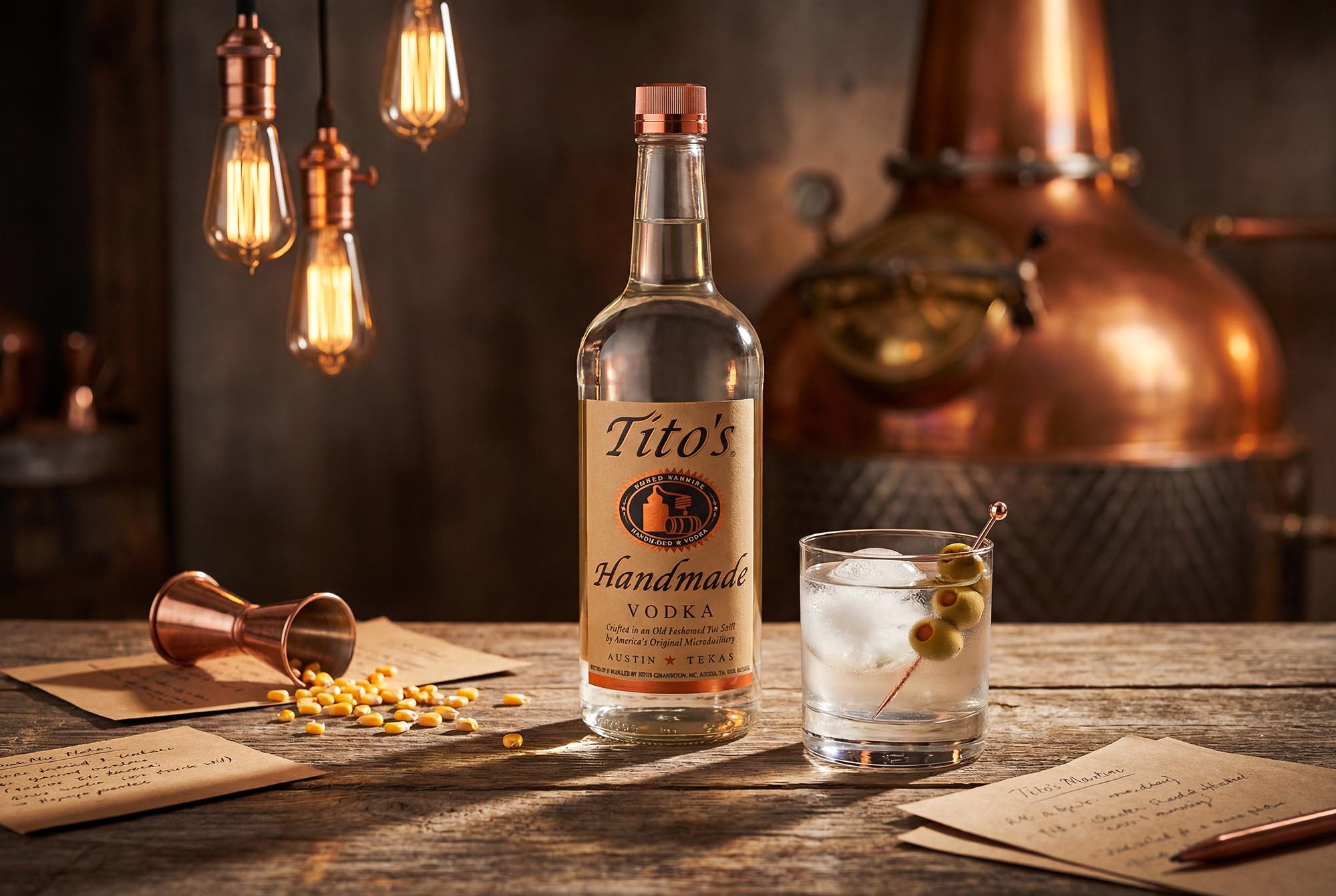
We begin with professional photography. For a spirits client, that might mean capturing their bottle on a Sony camera system in our studio. Perfect lighting. Precise angles. Multiple shots to ensure we have exactly what we need.
That professional photography becomes the foundation. We then use AI to:
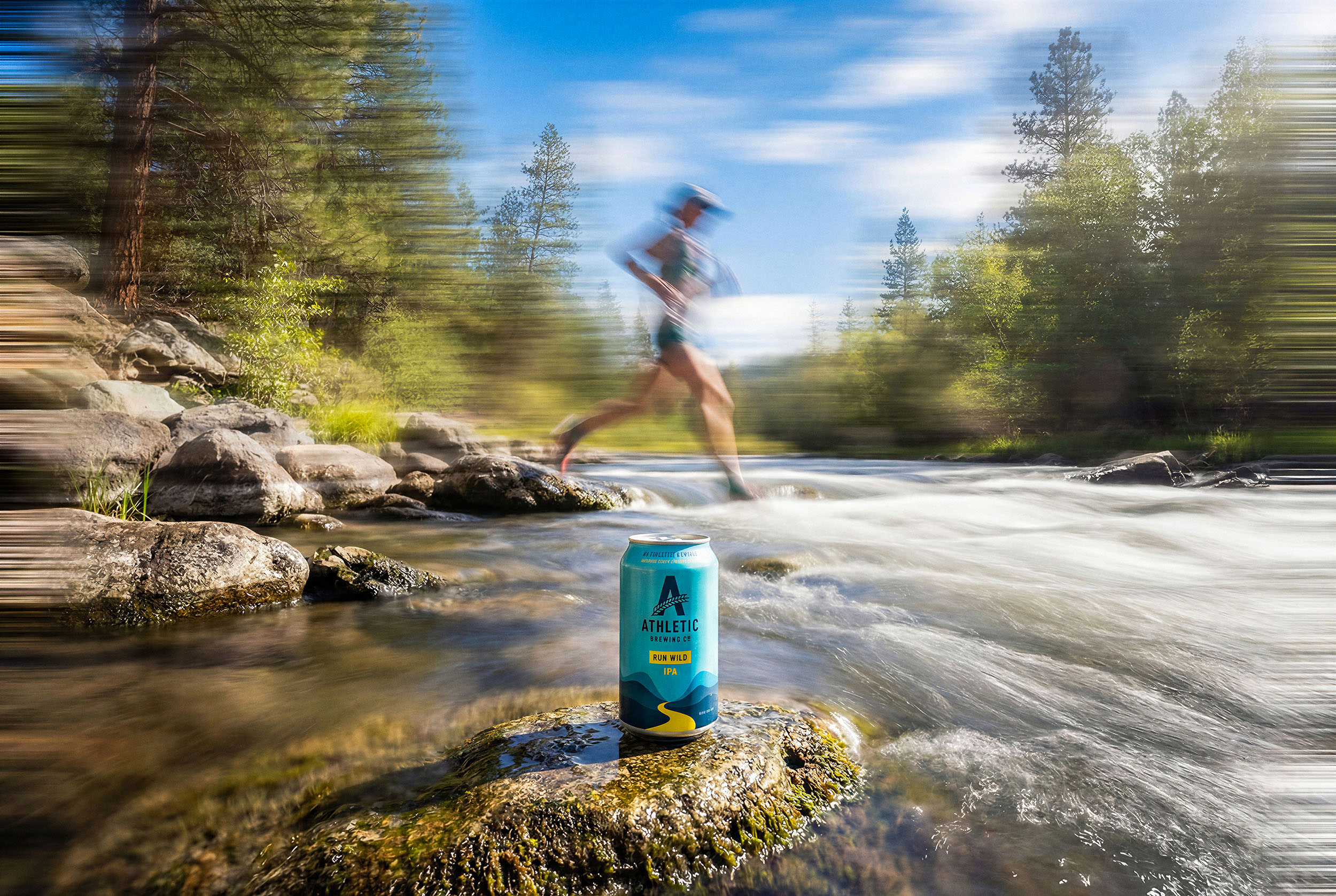
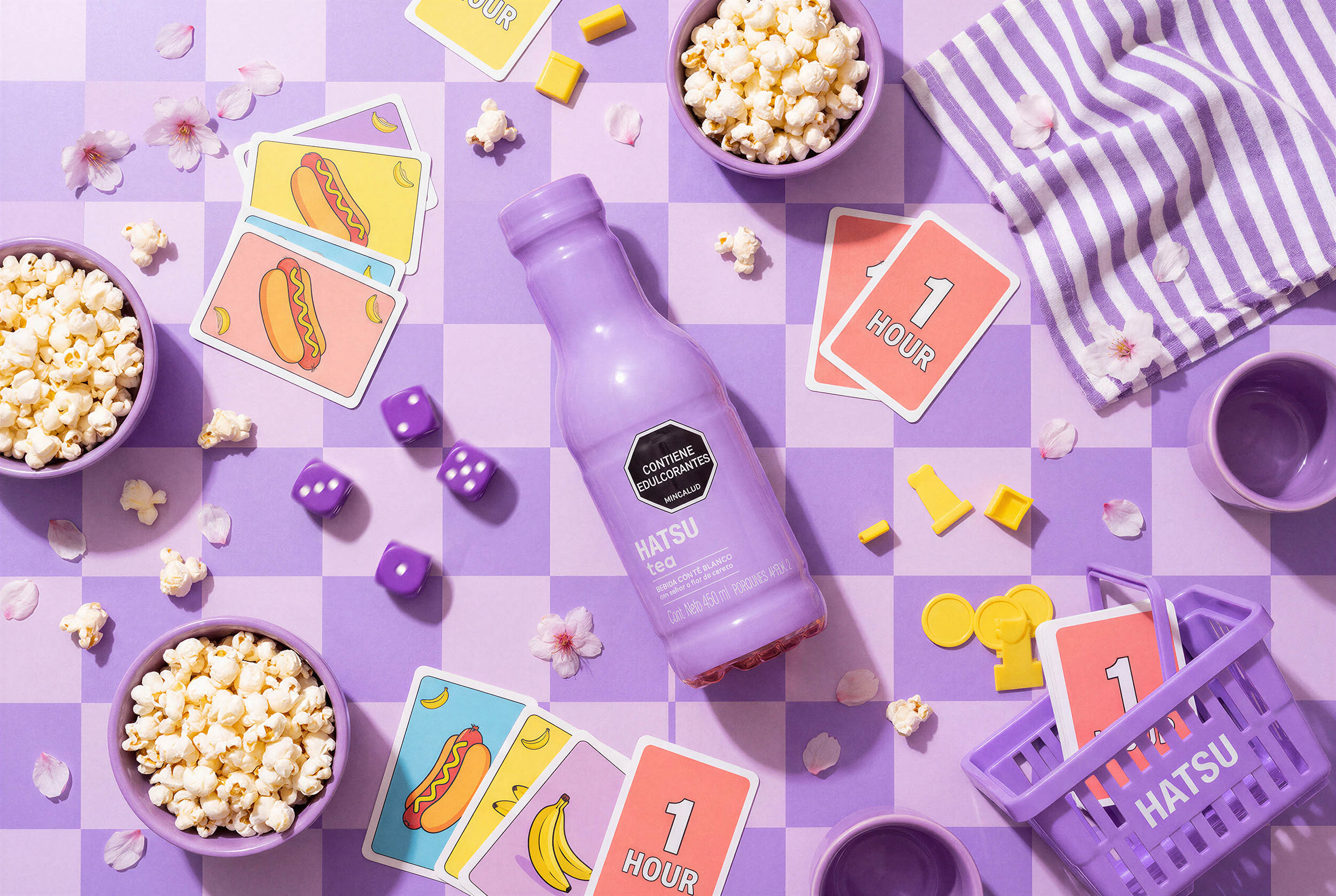
Extend creative possibilities without physical constraints. Want to see your bottle in five different seasonal environments? We can place it convincingly in contexts that would require multiple expensive location shoots—while maintaining photographic realism because we started with real photography.
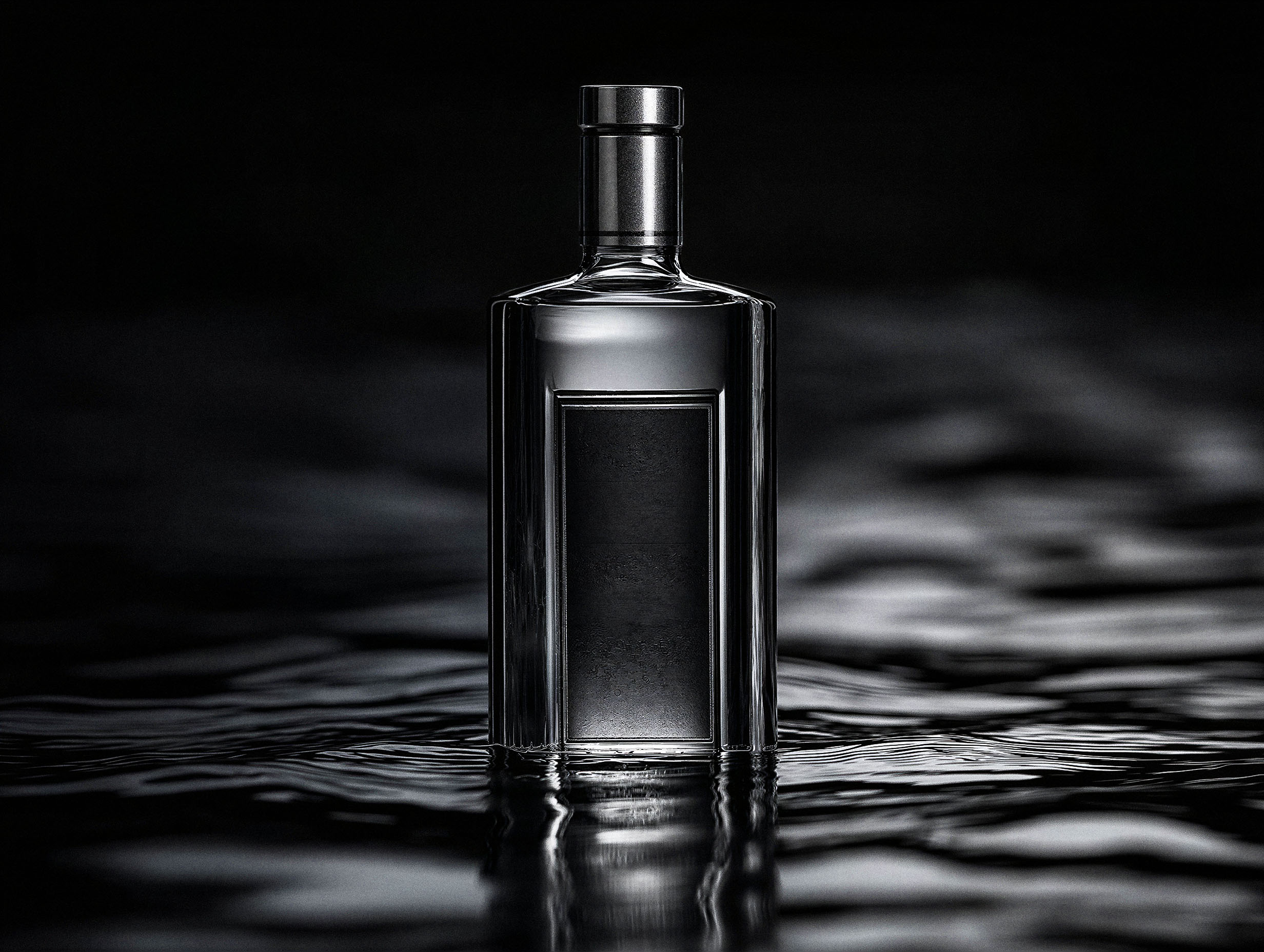
Enhance details that cameras struggle to capture perfectly in a single shot. The way light plays through amber liquid. The subtle texture of a label. The crisp edges of typography. AI can optimize these elements while preserving the authentic character of your product.
Adapt formats intelligently across platforms. Your product needs to look perfect as a 4:5 Instagram post, a 16:9 website banner, and a vertical story format. AI can recompose your professionally shot image for each format—not just cropping, but intelligently adapting the composition.
Maintain brand consistency across hundreds of images. Color grading, lighting style, compositional rules—AI can apply your brand standards consistently across an entire campaign, something that’s challenging even for the most skilled retouchers working manually.
The key difference from AI generation: we’re enhancing reality, not fabricating it. Your product is real. The photography is real. The AI makes that real foundation more versatile, more perfect, and more powerful than traditional photography alone could achieve.
The Critical Differences: Technical Reality
The distinction between generated and enhanced isn’t just philosophical. It manifests in concrete technical differences that impact your brand and your bottom line.
Image Quality and Authenticity – AI-Generated vs AI-Enhanced
AI-generated images produce pixels that approximate photographic reality but aren’t bound by physical laws. This creates subtle uncanny valley effects that luxury consumers perceive, even if they can’t articulate why an image feels “off.”
AI-enhanced images start with optical truth captured by camera sensors. The physics of light, the actual materials of your product, the real spatial relationships—these remain authentic. Enhancement improves what’s real rather than simulating it.
We’ve tested this extensively. When we show clients side-by-side comparisons—an AI-generated approximation of their product versus our AI-enhanced professional photography—they consistently prefer the enhanced version. The difference is particularly visible in:
- Surface textures and material properties
- Liquid translucency and color depth
- Reflections and refractions
- Typography clarity and color accuracy
- Overall sense of tangible reality
Brand Control and Consistency
With AI generation, you’re at the mercy of the model’s training data and its interpretation of your prompts. Achieving precise brand consistency requires extensive trial and error—and often still misses the mark.
With AI-enhanced photography, you maintain complete control. We photograph your product exactly as it exists. We establish your visual language through professional creative direction. Then we use AI to amplify and scale that established aesthetic.
For luxury brands managing extensive product lines, this difference is transformative. When Rémy Martin needs imagery across multiple SKUs and campaigns, we maintain absolute consistency in lighting style, color grading, and compositional language—because we’re working from a controlled photography foundation, not regenerating each image from prompts.
Retail and Technical Standards
Here’s where AI generation fails most dramatically for commercial use.
Color accuracy: Retailers often require specific Pantone matches for packaging elements. AI-generated images can’t guarantee this. AI-enhanced photography can, because we capture accurate colors with calibrated equipment, then preserve that accuracy through enhancement.
Resolution requirements: Many retail platforms require specific minimum resolutions and file sizes. AI generators often produce images that don’t meet these specs, or produce artifacts when upscaled.
Metadata and specifications: Professional commercial photography includes essential metadata—color space information, intended use specifications, rights management. AI-generated images lack this infrastructure.
Approval processes: When major retailers review imagery, they’re looking for specific technical criteria. We’ve never had AI-enhanced work rejected for technical inadequacy. We’ve seen numerous AI-generated submissions fail these reviews.
Why Luxury Brands Choose AI-Enhanced Photography
The premium market has specific requirements that make AI enhancement the clear choice over generation.
Brand Heritage and Authenticity
Luxury brands are built on authenticity. Their products have genuine craftsmanship, real materials, actual heritage. The photography should reflect this truth, not simulate it.
When we photographed Hibiki Japanese Harmony for Suntory, capturing the actual bottle—its precise geometry, the exact way light moves through the Japanese whisky, the subtle texture of the label—was non-negotiable. These aren’t details to approximate. They’re the product.
AI enhancement let us create environments and compositions that would be logistically complex or prohibitively expensive with traditional photography. But the product itself? That needed to be photographically real.
Investment Protection
Premium packaging isn’t cheap. Luxury brands invest significantly in bottle design, label production, packaging development. That investment deserves photography that captures it faithfully.
AI-generated images can’t protect this investment. They approximate your design, which means your distinctive elements—the very features you paid to develop—get genericized.
AI-enhanced photography maximizes your packaging investment by capturing every detail professionally, then extending the creative applications of that accurate capture.
Stakeholder Confidence
Marketing directors, brand managers, creative directors—these professionals need to trust their visual assets will represent the brand appropriately across all touchpoints.
AI generation introduces uncertainty. Will this batch of generated images maintain brand consistency? Will they meet technical requirements? Can we rely on them for a major campaign?
AI-enhanced photography provides certainty. The foundation is professional photography they can evaluate and approve. The enhancement extends that approved foundation predictably.
When Each Approach Makes Sense
This isn’t about declaring one approach universally superior. It’s about matching the tool to the need.
When AI Generation Might Work
Concept development and early ideation: Need to explore visual directions quickly? AI generation excels at rapid conceptual iteration. Just don’t mistake these concepts for final imagery.
Non-product illustration needs: If you need generic background elements, textures, or illustrations that aren’t product-specific, generation can be cost-effective.
Extremely low-budget situations with flexible quality standards: If you’re selling basic commodity products on a platform where consumers prioritize price over presentation, AI generation’s limitations may be acceptable.
When AI-Enhanced Photography Is Essential
Any premium or luxury product: If brand perception matters, start with professional photography and enhance it.
Products with distinctive design elements: Anything where accuracy matters—custom bottles, unique packaging, specific colors or textures.
Retail distribution requiring technical standards: If your images need to pass retailer approval processes, AI enhancement of professional photography is the reliable path.
Building a long-term brand asset library: Images that will serve your brand for years should be built on a foundation of authentic photography.
Campaigns requiring consistency across multiple products: Professional photography plus AI enhancement maintains consistency across SKUs better than generation.
The Chronos Studio Approach: Where Expertise Meets Innovation
Our positioning is deliberate: “AI can create images, only experts create premium.”
We’ve spent years refining the intersection of professional photography and AI technology. Not because we’re technology enthusiasts—though we are—but because our clients demand results that traditional photography alone couldn’t provide at their budget and timeline, and AI generation alone couldn’t match for quality.
Our Process
When you work with Chronos Studio, you’re getting the full spectrum of expertise:
Professional photography foundation: We capture your product with the same care and precision as any premium photography studio. Proper lighting, professional equipment, skilled direction.
Strategic AI enhancement: We then use proprietary AI tools to extend creative possibilities, optimize for multiple formats, and achieve results that would require extensive resources with traditional post-production alone.
Expert oversight at every stage: AI doesn’t make creative decisions. Our creative directors do. Technology is a tool; expertise drives the outcome.
The result: Studio-grade imagery at 80% cost reduction compared to traditional premium photography, with 48-72 hour turnaround times that would be impossible through conventional means.
Discover Our Services
Real Results for Premium Brands
Our portfolio demonstrates what AI-enhanced photography achieves for luxury brands across spirits, cosmetics, and fashion.
For Strange Nature Gin, we captured the product’s distinctive emerald bottle and copper accents professionally, then used AI to create sophisticated environmental variations that reflected the brand’s experimental spirit—all while maintaining photographic realism and brand consistency.
For Via Carota Craft Cocktails, we photographed their bottled cocktail line in studio, then created a series of lifestyle environments that evoked the warm, inviting atmosphere of their West Village heritage—imagery that would have required multiple expensive location shoots with traditional methods.
Each project starts with professional photography. Each project uses AI to enhance and extend. None rely on AI generation alone.
Making the Right Choice for Your Brand
If you’re evaluating AI solutions for product photography, ask these questions:
Does the solution start with professional photography of your actual product? If not, you’re looking at generation, not enhancement.
Can the provider demonstrate consistent results across multiple products? Generation struggles with consistency. Enhancement maintains it.
Do the images meet technical standards for your distribution channels? Verify with actual examples, not promises.
Does the provider have photography expertise, or just AI tools? Technology alone won’t protect your brand positioning.
Can you see clear before/after comparisons showing the enhancement process? Transparency about methodology matters.
The right answer for premium brands is clear: AI-enhanced professional photography delivers the quality you need, the consistency you require, and the efficiency you want—without compromising brand integrity.
See the Difference Yourself
Theory matters less than results. We’d be happy to show you exactly what AI-enhanced photography can achieve for your brand.
See our complete portfolio of work with luxury spirits, cosmetics, and fashion brands—every image built on professional photography, enhanced by AI, guided by expertise.
Or contact us to discuss how we could apply this approach to your specific products and brand needs. We offer trial projects that let you experience the difference firsthand, with no long-term commitment required.
Because choosing between AI-generated and AI-enhanced photography isn’t about technology preferences. It’s about what best serves your brand, your customers, and your business goals.
In our experience across hundreds of projects with premium brands: when quality matters, enhancement wins.