Every week, someone asks us this question. Usually it’s a brand manager who’s seen the latest AI image generator demos, or a marketing director calculating next quarter’s budget. The question makes sense—AI tools like Midjourney, DALL-E, and now Gemini 3 can produce stunning visuals in seconds. So can AI replace photographers?
The short answer: No. But not for the reasons you might think.
The better question is: What can AI actually do well, where does it fall short, and how should professional studios be using it? After two years of testing every major AI tool and completing hundreds of projects that blend photography with AI, we’ve learned exactly where the line sits between impressive technology and genuine expertise.
What AI Image Generators Can Actually Do
Let’s start with honesty. AI image generation has made remarkable progress. Tools like Midjourney v7 and the newly released Gemini 3 can create:
- Photorealistic product renderings that look convincing at first glance
- Multiple variations of a concept in minutes rather than days
- Complex scenes that would be expensive or physically impossible to shoot
- Quick mockups for internal reviews and concept testing
We use these tools daily. They’re genuinely useful for specific parts of our workflow, and any photographer who dismisses them entirely is making a mistake.
But here’s what two years of real-world projects taught us: AI can create images. It cannot create premium images that sell products.
The gap between those two things is enormous.
Where AI Breaks Down: Real Examples from Real Projects
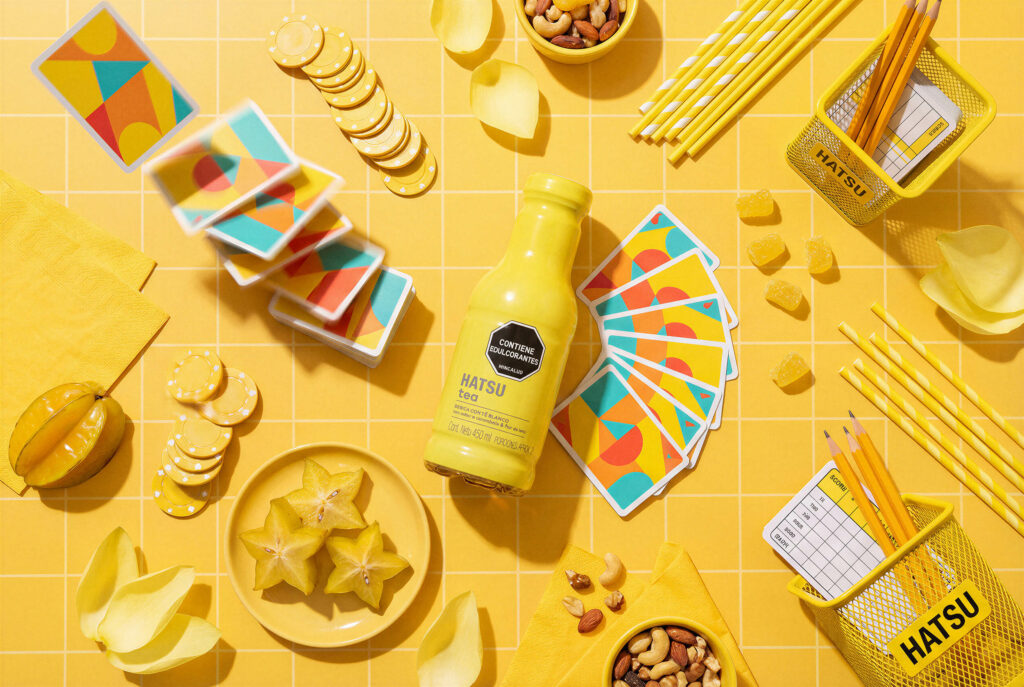
Last year, a cosmetics brand came to us after spending three months trying to create their product launch campaign using only AI. They had beautiful concept images—ethereal, perfectly lit, exactly matching their mood board. The problem? When they uploaded them to their e-commerce platform and started running ads, conversion rates were 40% lower than their previous photography.
The brand couldn’t pinpoint why at first. The images looked professional. But consumers could sense something was off.
After analyzing the images, we identified the issues:
Inconsistent physics. Light behaved differently across the series. Shadows didn’t quite match the lighting direction. Reflections on the bottles followed no consistent logic. Each image was individually plausible, but together they revealed their artificial origin.
Generic luxury. The AI had learned what “luxury cosmetics photography” looks like from millions of training images. It could replicate the aesthetic perfectly—perhaps too perfectly. Every image felt like an aggregate of high-end beauty photography rather than something distinctive to this brand.
Material authenticity. The AI struggled with how light interacts with specific materials. The gold cap had perfect specularity in one image and diffuse reflection in another. The glass bottle sometimes looked like plastic. These subtle inconsistencies matter enormously for premium products where material quality is part of the value proposition.
This isn’t a limitation of one tool. We’ve tested extensively with Midjourney, DALL-E 3, Adobe Firefly, and Gemini 3. Each has different strengths, but all share fundamental limitations when it comes to product photography.
The Four Things AI Cannot Do (Yet)
1. Understand Brand DNA Beyond Surface Aesthetics
When Rémy Martin approached us for their XO campaign, they didn’t just need “luxury cognac photography.” They needed imagery that communicated 150 years of craftsmanship, French heritage, and a specific positioning against competitors like Hennessy and Courvoisier.
AI can replicate luxury aesthetics. It cannot understand brand strategy, competitive positioning, or the subtle visual cues that distinguish one premium spirits brand from another. That requires someone who has studied the category, understands the client’s market position, and knows which visual choices communicate “established excellence” versus “innovative luxury” versus “accessible premium.”
These distinctions matter. Getting them wrong means beautiful images that don’t sell.
2. Ensure Technical Accuracy for Retail Requirements
Try using AI to generate product photography for Bloomingdale’s, Net-a-Porter, or any major retailer. You’ll quickly discover that these platforms have specific technical requirements:
- Exact color accuracy (within Delta E 2.0 for luxury goods)
- Consistent lighting across entire product lines
- Precise aspect ratios and safe zones
- Clean white backgrounds with proper alpha channels
- Accurate product dimensions and proportions
We recently completed a project for Powered by People creating retail-ready imagery for 35+ artisan products that met Bloomingdale’s standards. Every image required precise color matching to physical samples, consistent lighting across products from different continents, and formats optimized for multiple retail platforms.
AI cannot consistently deliver these technical requirements. It might get close on individual images, but achieving consistency across 130+ images while meeting strict retail specifications? That still requires professional expertise and quality control.
3. Problem-Solve in Real-Time with Physical Products
Here’s something no AI tool can do: look at a product with visible damage, a slightly misaligned label, or unexpected reflections, and figure out the optimal shooting angle and lighting setup to minimize those issues while highlighting the product’s strengths.
Physical products are imperfect. Labels sometimes have tiny printing errors. Glass bottles have subtle flaws. Fabrics don’t always lay exactly as designed. A professional photographer sees these issues immediately and adjusts the shot. AI generates what you prompt for, flaws and all—or it invents different flaws entirely.
Even when we use AI enhancement in our workflow, we start with professionally shot images where these physical variables have been controlled. The AI then enhances specific aspects like background sophistication or creative composition, but the foundation must be technically sound.
4. Collaborate and Iterate Based on Business Needs
Photography isn’t just about creating beautiful images. It’s about understanding business objectives and adapting visual strategy accordingly.
When a spirits client tells us they’re targeting younger consumers who value sustainability, that changes everything about how we approach the shoot—from composition choices to the environments we create. When a fashion brand needs to shift positioning mid-campaign, we can adjust the creative direction immediately based on that strategic context.
AI is a tool that does exactly what you tell it. It cannot participate in strategic discussions, suggest alternatives based on market insights, or iterate with nuance as business priorities evolve. It lacks the judgment that comes from years of experience working with brands across different stages of growth and market positioning.
How Professional Studios Should Use AI (And How We Do)
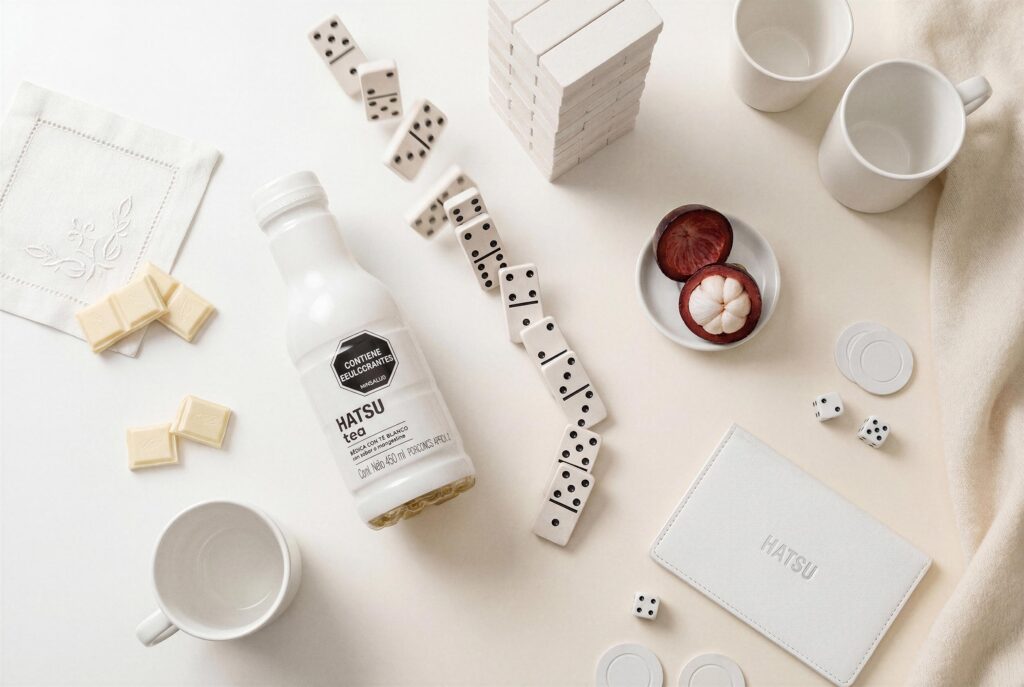
This isn’t an argument against AI. It’s an argument for using it intelligently.
At Chronos Studio, AI is integral to our process—but it’s never the entire process. Our AI-enhanced workflow combines professional photography expertise with AI technology at specific stages where it provides genuine value:
Phase 1: Professional Photography Foundation We start with technical expertise. Proper lighting, composition, and capture of physical products using professional equipment. This gives us images with accurate materials, consistent physics, and real detail that AI cannot fabricate convincingly.
Phase 2: AI-Powered Creative Enhancement Once we have technically sound base images, we use AI for creative possibilities that would be prohibitively expensive traditionally—generating multiple environmental contexts, creating seasonal variations, testing different composition concepts.
Phase 3: Expert Refinement Every AI-enhanced image goes through professional retouching. We correct the subtle inconsistencies AI introduces, ensure brand consistency, verify technical specifications, and guarantee the final images meet both creative and business requirements.
This hybrid approach delivers what neither traditional photography nor pure AI generation can: studio-grade imagery with creative flexibility, produced at 80% cost savings compared to traditional shoots with 48-72 hour turnaround times.
The Real Question: What Type of Images Do You Need?
Whether AI can “replace” photographers depends entirely on what you’re trying to achieve:
AI alone might work for:
- Internal concept mockups and mood boards
- Quick social media content where technical precision matters less
- Exploratory creative concepts before committing to production
- Marketing materials where brand authenticity is less critical
Professional photography (with or without AI enhancement) is essential for:
- E-commerce product photography requiring technical accuracy
- Brand campaigns where consistency and authenticity matter
- Premium positioning where material quality must be communicated
- Retail partnerships with strict technical requirements
- Any imagery representing significant marketing investment
The cost of getting this wrong isn’t just wasted production budget. It’s reduced conversion rates, weakened brand perception, and campaigns that underperform their potential.
We’ve seen this repeatedly: brands that try to cut costs with pure AI solutions often end up spending more to fix the problems or recreate everything professionally. The ROI of professional product photography becomes clear when you calculate not just production costs but performance outcomes.
What’s Coming: AI Evolution and Professional Adaptation
AI image generation will continue improving. Models like Gemini 3 and GPT-5 with enhanced image capabilities will get better at consistency, materials, and physical accuracy.
But here’s what’s not changing: the judgment required to translate business objectives into effective visual strategy. The expertise to ensure technical accuracy. The creative direction that makes imagery distinctive rather than generic. The ability to work with physical products and adapt to their imperfections.
These capabilities aren’t algorithmic. They come from experience, artistic training, understanding of branding and marketing, and hundreds of projects solving unique challenges for different clients.
The most successful approach isn’t choosing between human expertise and AI technology—it’s combining them strategically. Professional studios that integrate AI tools intelligently can deliver better results faster and more cost-effectively than traditional methods. But studios that try to eliminate expertise entirely will consistently disappoint clients who need premium results.
Experience the Difference Expertise Makes
If you’re considering using AI for your product photography, test it. Generate some images. But also compare those results against what’s possible when professional expertise guides AI technology.
At Chronos Studio, we’ve spent two years refining this balance—understanding exactly where AI adds value and where human expertise remains irreplaceable. The difference is visible in every project, from our work with luxury spirits brands like Rémy Martin XO to retail-ready photography for artisan products meeting Bloomingdale’s standards.
The answer to “can AI replace photographers” is really the answer to “do you need images that just look good, or images that perform?”
For brands where visual content drives business results, expertise isn’t optional. It’s the difference between impressive AI demos and premium imagery that actually sells products.
Want to see the difference? View our portfolio or schedule a consultation to discuss how AI-enhanced professional photography can elevate your brand while optimizing your production budget.
Related Reading: