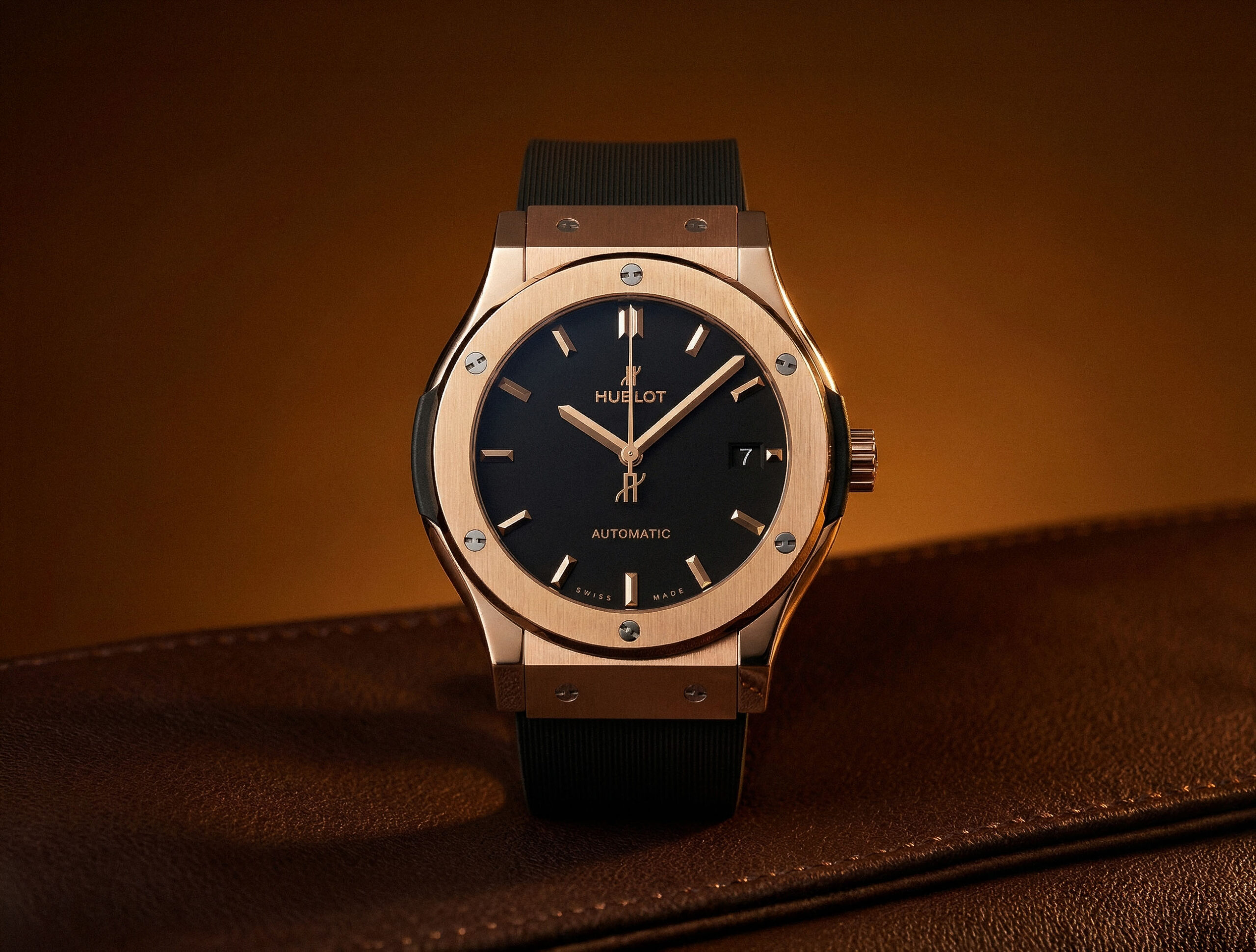
Google just dropped Gemini 3, and the creative industry is paying attention. After two years of rapid advancement in the Gemini line, this latest release brings capabilities that matter specifically to product photography—not just incremental improvements, but tools that could genuinely change professional workflows.
We spent the past few days testing the new system and its companion image model, Nano Banana Pro. Here’s what brands and studios actually need to know.
What Gemini 3 Brings to the Table
Let’s skip the hype and get to specifics. Gemini 3 is Google’s most intelligent model to date, combining state-of-the-art reasoning with multimodal capabilities that finally feel production-ready. The numbers are impressive: 1501 Elo on LMArena (breaking previous records), 91.9% on GPQA Diamond for PhD-level reasoning, and perhaps most relevant for creative work—81% on MMMU-Pro for multimodal understanding.
What does this mean practically? The model now grasps depth and nuance in ways previous versions couldn’t. When you’re briefing it on a creative concept—say, capturing the amber warmth of a cognac against slate textures with specific lighting—it understands not just the words but the visual intent behind them. It reads the room, so to speak.
The 48-72 hour turnaround we’ve built our workflow around at Chronos Studio depends on AI that can interpret creative direction quickly and accurately. Gemini 3’s enhanced reasoning reduces the back-and-forth that slower models require, which translates directly to efficiency gains.
Nano Banana Pro: The Real Story for Product Photography

Here’s where things get interesting for our industry. Nano Banana Pro—officially Gemini 3 Pro Image—is built on Gemini 3’s reasoning foundation but optimized specifically for image generation and editing. The original Nano Banana from August was good. This is something else entirely.
Resolution That Actually Works
The model supports 2K and 4K output—resolution standards required for professional production. For e-commerce photography, print campaigns, and high-end catalogues, this matters. We’re no longer compromising on output quality to leverage AI efficiency.
Professional-Grade Control
This is the capability that caught our attention: Nano Banana Pro lets you control the physics of an image. Lighting, camera angles, focus, color grading—parameters that traditional photography required physical setups to achieve can now be adjusted through precise prompting.
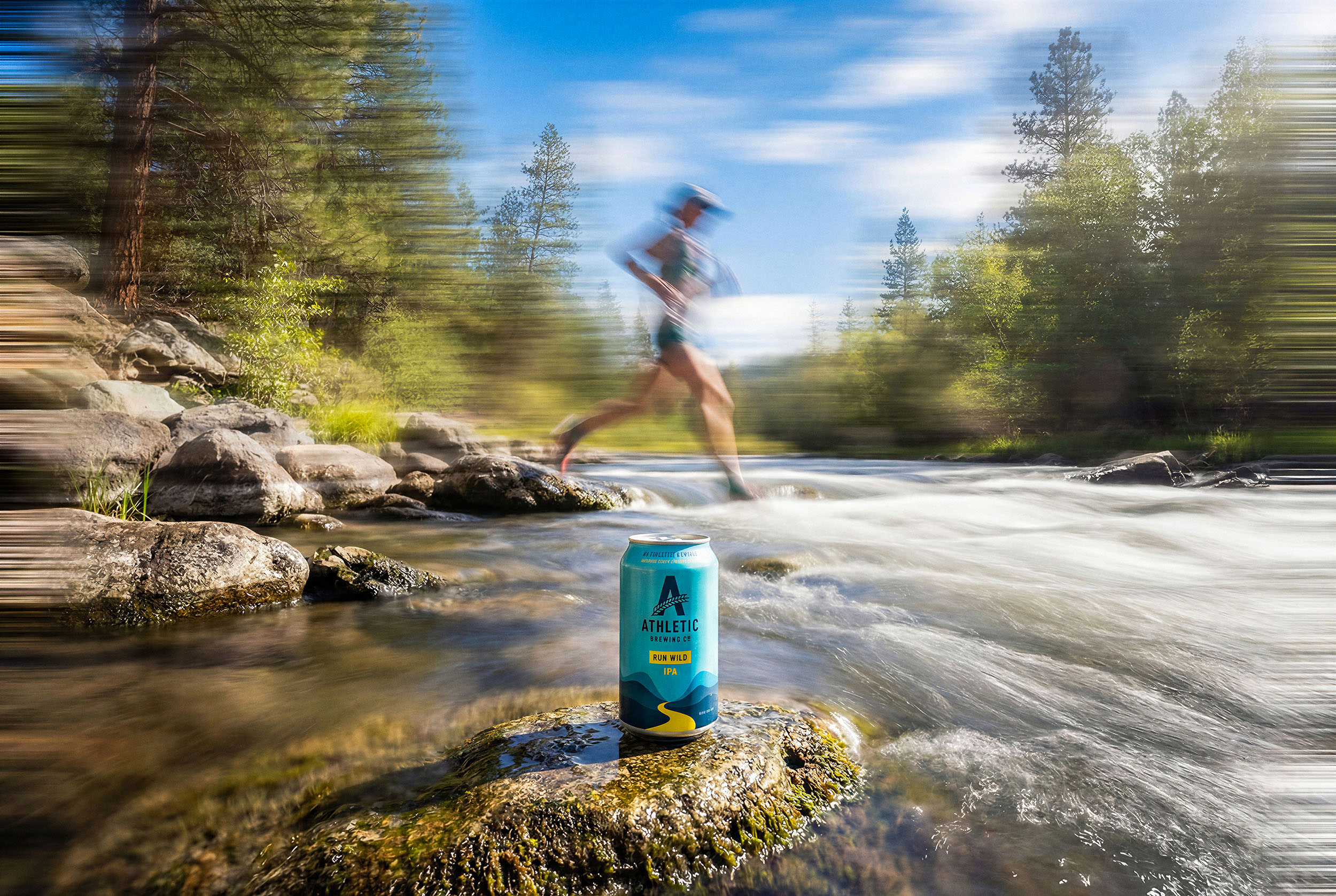
Want a silhouette lost in golden bokeh with morning mist? You can specify that. Need to shift from daylight to dramatic evening lighting on an existing product shot? The model handles it. These aren’t gimmicks—they’re workflow tools that complement what we already do with physical photography.
Text Rendering That Finally Works
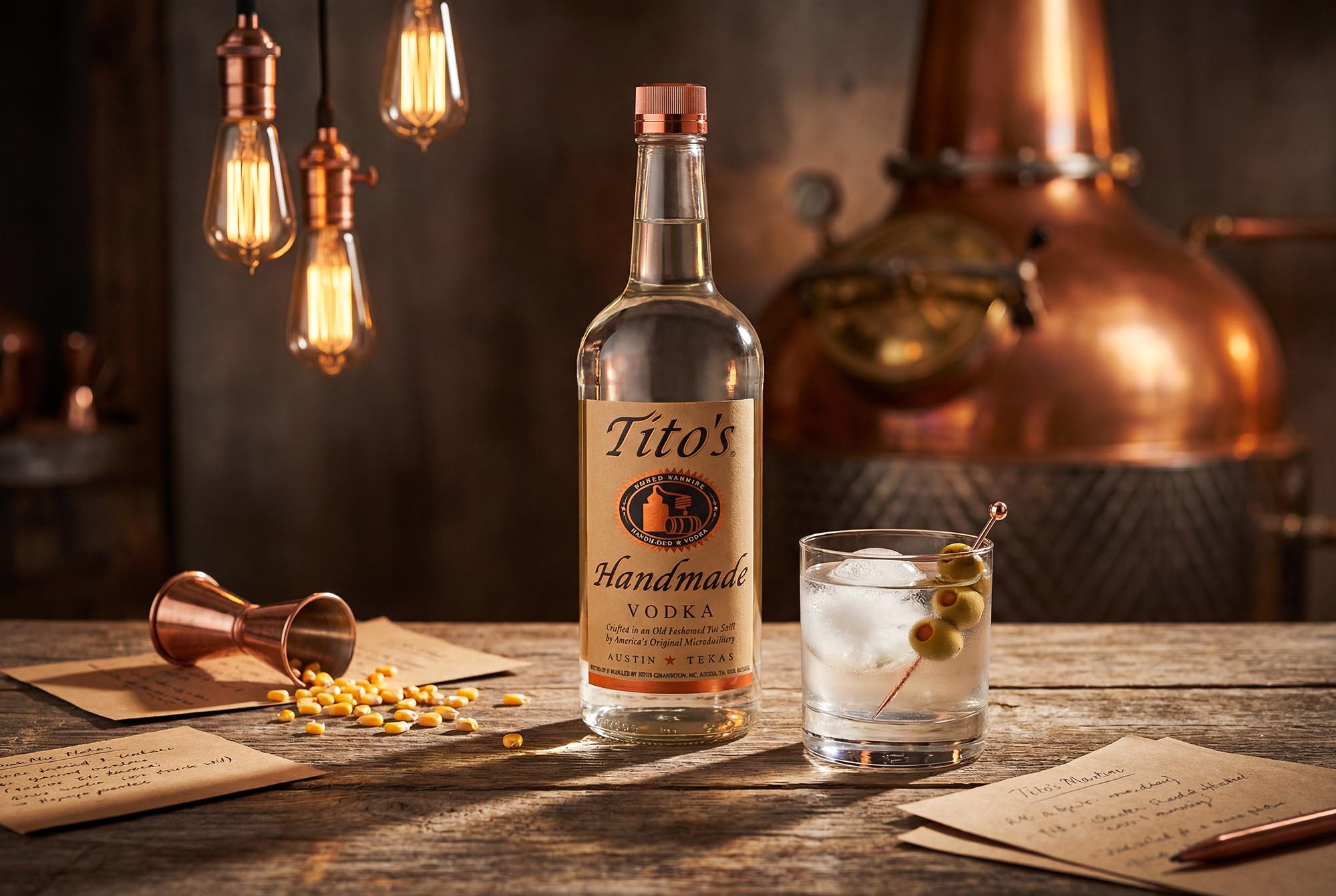
Previous image models had a notorious weakness: text. Logos, labels, packaging copy—anything with typography came out garbled or illegible. Nano Banana Pro solves this with state-of-the-art text rendering across multiple languages. For spirits brands needing bottle labels readable in promotional images, or cosmetics brands requiring product names to appear crisp on packaging shots, this removes a significant pain point.
The model can even localize content—translate text within images while maintaining artistic style. For brands operating across markets, this streamlines what used to require separate production runs for each region.
Multi-Image Composition
Perhaps the most powerful feature for commercial work: Nano Banana Pro can blend up to 14 reference images while maintaining consistency. Upload your brand guidelines—logos, color palettes, product shots, style references—and the model uses that complete context to generate on-brand visuals.
Adobe has already integrated Nano Banana Pro into Firefly and Photoshop. Figma is using it for their design tools. This isn’t experimental technology sitting in a research lab; it’s being adopted across the professional creative stack.
How This Fits Our Workflow at Chronos Studio
We’ve been transparent about how we use AI in our process. Our position has always been that AI is a tool—the expertise comes from the professionals wielding it. Gemini 3 reinforces rather than challenges that view.
Here’s what we’re evaluating for integration:
Concept Development and Visualization Before any production begins, we create visual concepts for client approval. Gemini 3’s enhanced reasoning means we can describe complex creative directions—specific lighting moods, compositional approaches, brand aesthetic requirements—and get accurate visualizations faster. This accelerates the approval cycle, getting clients aligned on direction before production investment.
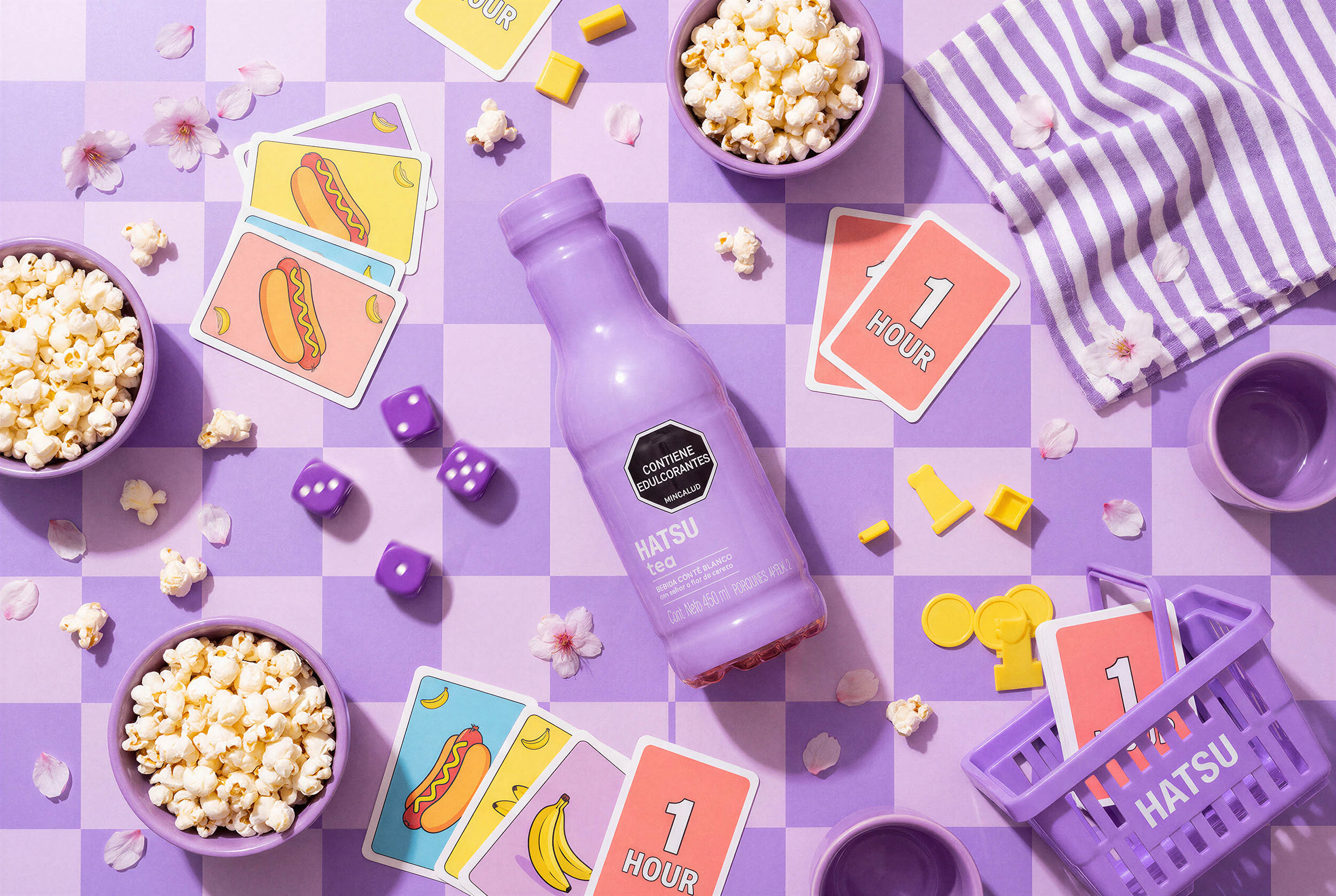
Scene Generation and Environment Creation For lifestyle product photography, environment matters. A whisky photographed against Japanese-inspired minimalism tells a different story than the same bottle in a warm, library setting. Nano Banana Pro’s ability to generate sophisticated scenes with precise atmospheric control gives us creative options that would be prohibitively expensive to produce physically for every variation.
Post-Production Enhancement Our finishing process already leverages AI for upscaling and detail enhancement. The new model’s improved quality and control means we can push those capabilities further—particularly for lighting adjustments and localized editing on complex product shots.
Multi-Format Adaptation A single hero image often needs adaptation for Instagram stories, e-commerce listings, print materials, and digital advertising. The model’s understanding of composition and its ability to intelligently reframe content for different aspect ratios streamlines what used to be manual work.
What This Means for Brands
If you’re a marketing director or brand manager evaluating visual content production, here’s the practical takeaway: the gap between AI-assisted and traditional photography is narrowing, but expertise remains the differentiator.
The tools are getting better. Gemini 3 and Nano Banana Pro represent a genuine step forward. But sophisticated tools require sophisticated operators. A brand can access Nano Banana Pro through the Gemini app—it’s freely available with usage limits. What they can’t access is the creative direction, technical knowledge, and production experience that turns capabilities into results.
This is why our positioning at Chronos Studio—combining professional photography expertise with AI enhancement—makes more sense now than when we started. The 80% cost reduction versus traditional shoots comes from efficiency, not from removing expertise from the equation.
The Honest Limitations
No technology discussion is complete without acknowledging constraints. Nano Banana Pro, despite its advances, still has areas needing improvement:
- Small faces and fine details can still struggle
- Complex edits and multi-image blending occasionally produce artifacts
- Character consistency, while improved, isn’t perfect
- The model’s extensive knowledge base isn’t infallible—generated infographics or data-driven visuals should always be verified
Google is transparent about these limitations, and so are we. AI-generated versus AI-enhanced photography remains a meaningful distinction. The former hands everything to the algorithm; the latter uses AI as one tool among many, guided by professional judgment.
What’s Coming Next
Google has indicated additional models in the Gemini 3 series are planned. Gemini 3 Deep Think—an enhanced reasoning mode—is currently with safety testers and will roll out to premium subscribers soon. The integration of these capabilities into creative platforms is accelerating.
We’re watching several developments closely:
- Nano Banana Pro’s availability through Vertex AI for enterprise-grade workflows with provisioned throughput
- Integration into Google Workspace for team collaboration scenarios
- The model’s performance in professional photo editing tools beyond Adobe’s current implementation
We’ll be publishing a deeper technical analysis of Nano Banana Pro specifically—exploring prompting techniques, comparing it against our current Midjourney workflows, and sharing practical examples from our testing. That piece is coming soon.
The Bottom Line
Gemini 3 and Nano Banana Pro represent meaningful progress for AI-assisted product photography. The combination of enhanced reasoning, professional-grade resolution, precise creative controls, and improved text rendering addresses real limitations that held previous generations back.
For premium brands, the opportunity isn’t choosing between AI and traditional photography—it’s finding partners who understand how to leverage both. The technology is impressive. The results depend on who’s using it.
If you’re curious how these capabilities might apply to your visual content needs, we’re always happy to discuss. No pitch—just honest assessment of what’s possible and what makes sense for your brand.