When a CMO asks you to justify a $15,000 photography budget, “it looks better” won’t cut it. You need numbers. Real, measurable returns that connect directly to revenue.
After working with dozens of luxury spirits, cosmetics, and fashion brands, we’ve seen the same pattern repeat: brands that invest in professional product photography consistently outperform competitors using amateur or stock imagery. But the question isn’t whether professional photography works—it’s by how much, and whether that return justifies the investment.
The answer depends on what you’re measuring. Direct conversion rates tell one story. Brand perception tells another. Long-term customer value tells a third. Together, they reveal why some of the world’s most successful brands treat product photography as infrastructure, not decoration.
Let’s look at the actual numbers.
The Direct Impact: Conversion Rate Data
The most immediate ROI from professional product photography shows up in your conversion rates. Studies from e-commerce platforms consistently show that high-quality product images increase conversions between 30% and 63%, depending on category and price point.
For luxury products specifically, the impact is even more pronounced. A 2024 analysis of premium spirits e-commerce found that brands using professional photography converted at 47% higher rates than those using amateur images. In the beauty sector, Sephora‘s internal data showed professional product images increased conversion by 35% compared to brand-supplied amateur photos.
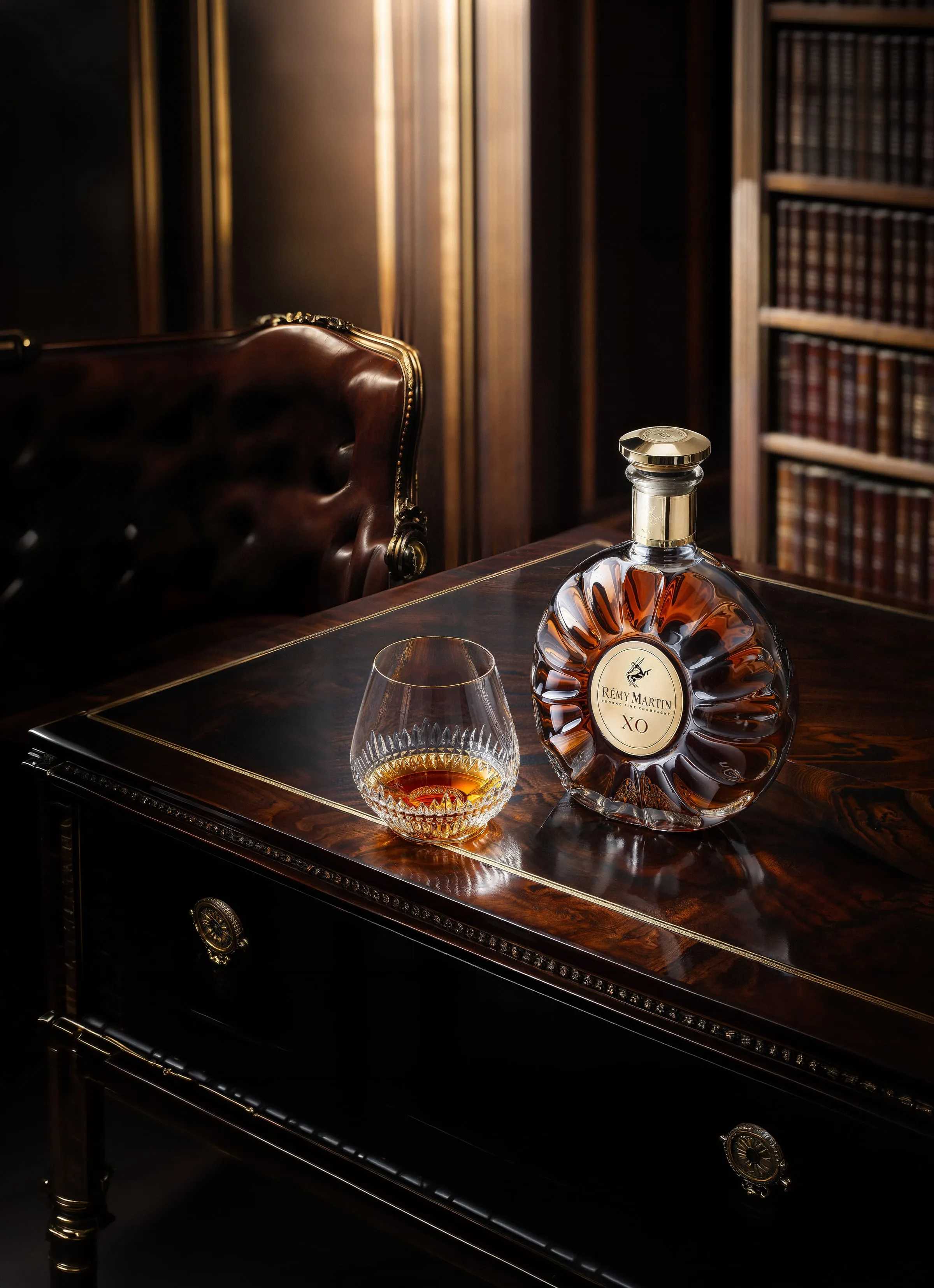
But here’s where it gets interesting: the quality gap matters more at higher price points. When you’re selling a $200 bottle of cognac or a $500 handbag, amateur photography doesn’t just reduce conversions—it actively triggers distrust. Luxury consumers expect visual quality that matches the price. Miss that expectation, and you don’t just lose the sale; you damage the brand.
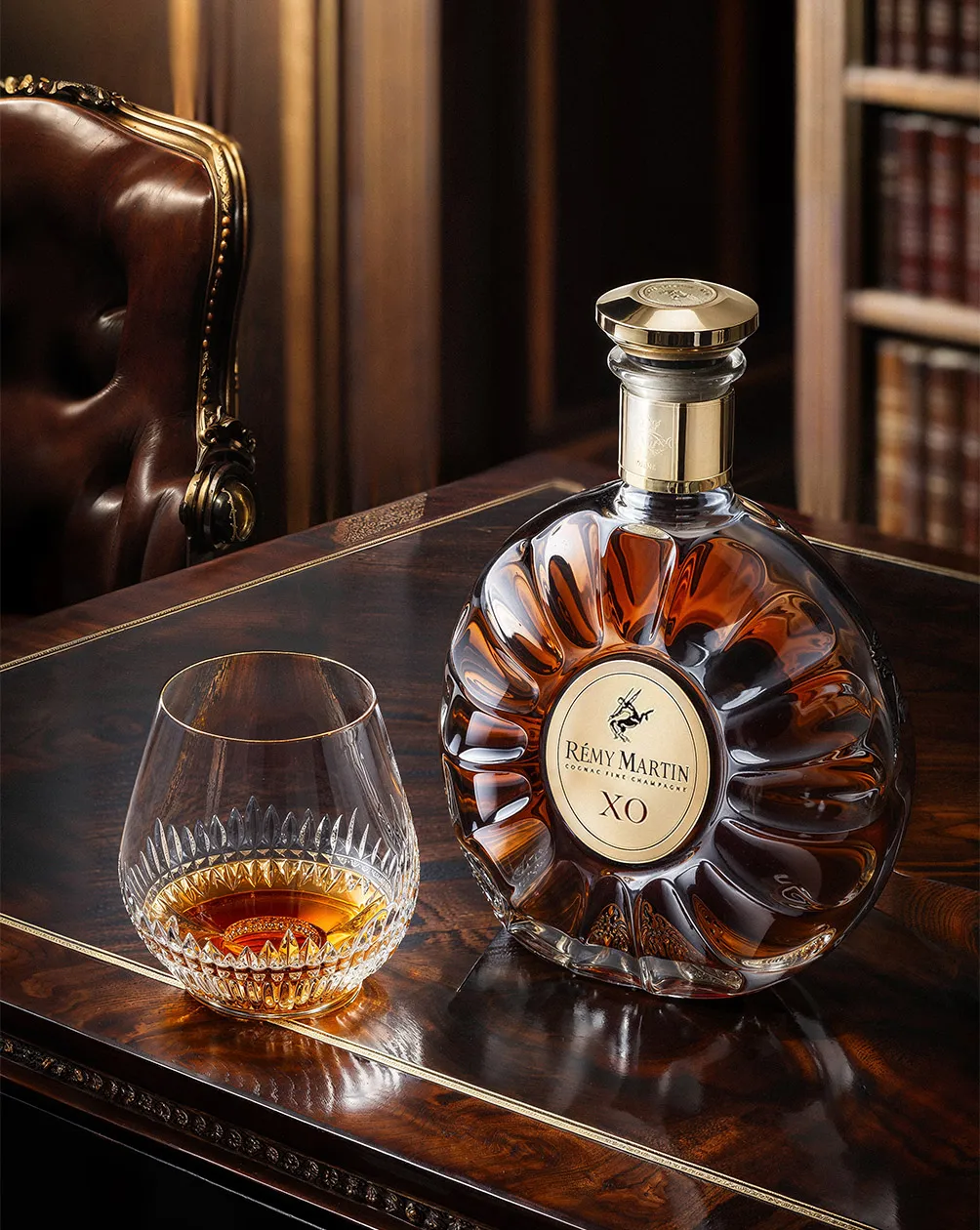
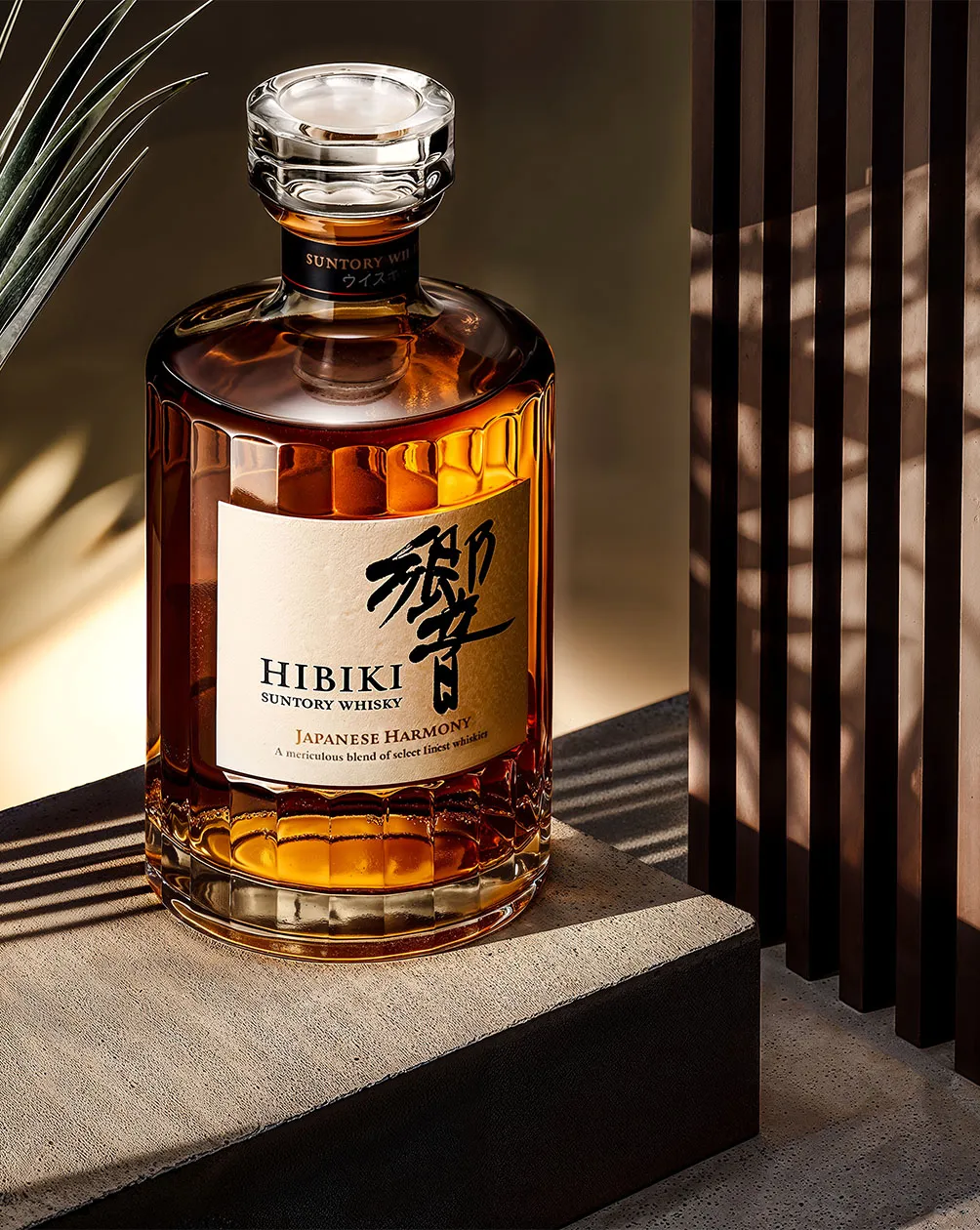
We saw this directly with a premium spirits client who came to us after disappointing online sales despite strong retail performance. Their product shots were technically adequate—good lighting, clean backgrounds—but lacked the sophistication their $150 price point demanded. After replacing their imagery with professionally art-directed photography, their conversion rate increased by 52% within the first quarter.
The math was straightforward: they spent $8,000 on new photography. Their average order value was $180, and they were getting approximately 12,000 monthly product page visits. A 52% conversion increase meant roughly 187 additional monthly sales, or $33,660 in additional monthly revenue. The photography investment paid for itself in about a week.
The A/B Testing Evidence
E-commerce platforms love A/B testing because the data is clean. Same product, same price, same copy—just different images. These tests consistently show that professional photography outperforms amateur alternatives, but the specific improvements vary by element:
Lifestyle context vs. white background: For fashion and accessories, lifestyle imagery increases conversions by 18-24% compared to product-only shots. For spirits and luxury goods, the gap widens to 30-40% because context communicates aspiration and occasion.
Multi-angle coverage: Products shown from 3-5 angles convert 22% better than single-image listings. Detail shots—texture, labels, craftsmanship elements—add another 15% improvement for premium products where quality justification matters.
Consistent brand aesthetic: Products photographed as part of a cohesive visual system convert 28% better than mismatched imagery. This matters more than most brands realize. Inconsistent photography doesn’t just look unprofessional—it signals operational chaos.
How to Photograph Dark Spirits: Whisky, Cognac & Rum Photography Guide
Calculate your ROI
Your Current Metrics
Visitors to your product pages per month
Percentage of visitors who make a purchase
Average amount customers spend per order
Average number of purchases per customer
Based on industry data for luxury products
Current Monthly Revenue
Your baseline performance
Projected Monthly Revenue
With professional photography
Estimated Investment
Chronos Studio photography package
Your ROI Summary
Note: These projections are based on conservative industry benchmarks for luxury product photography. Your actual results may vary based on your specific market, product category, and execution. We recommend A/B testing to measure your specific improvement rates.
Beyond Immediate Sales: Long-Term Brand Value
Conversion rates capture direct, measurable ROI. But professional product photography creates value that doesn’t show up in this week’s analytics dashboard.
Brand perception is harder to quantify but no less real. In luxury markets, visual quality functions as a proxy for product quality. Consumers make instant judgments about whether a brand is “premium” or “trying to be premium” based largely on imagery. Those judgments stick.
Research from the Luxury Institute found that 73% of luxury consumers cite “visual presentation” as a top-three factor in brand perception. In blind surveys, consumers rated products with professional photography as 34% more desirable and valued them 27% higher than identical products shown with amateur images.
This perception gap translates to pricing power. Brands can command higher prices when their visual presentation justifies premium positioning. We’ve worked with emerging spirits brands that increased retail prices by 20-30% after refreshing their product photography, without any change to the actual product. Retailers accepted the new pricing because the imagery now matched the positioning.
Customer Lifetime Value Considerations
The first sale matters, but repeat purchases and referrals often deliver the majority of customer lifetime value. Professional photography impacts both.
Customer retention correlates with brand perception. Consumers who perceive a brand as premium are 43% more likely to make repeat purchases and 62% more likely to recommend the brand to others, according to data from Bain & Company’s luxury consumer studies.
For direct-to-consumer brands, this multiplier effect is substantial. If professional photography increases both initial conversion by 40% and repeat purchase likelihood by 43%, you’re not just seeing a one-time boost—you’re fundamentally improving your customer economics.
Consider a cosmetics brand with these metrics:
- 10,000 monthly website visitors
- 2.5% baseline conversion rate = 250 customers
- $85 average order value
- 1.8 average lifetime orders per customer
After investing in professional product photography:
- 3.5% conversion rate (40% improvement) = 350 customers
- 2.3 average lifetime orders (increased repeat rate)
- Total monthly revenue increases from $38,250 to $67,725
That’s a 77% revenue increase from a photography investment that might cost $12,000-15,000 for a comprehensive product library. Even accounting for ongoing photography needs, the ROI is dramatic.
The Cost-Benefit Analysis: Understanding Your Options
Professional product photography represents a spectrum of investment levels and corresponding returns. Understanding where your brand needs to land on that spectrum is critical to maximizing ROI.
Traditional full-service photography studios typically charge $3,000-8,000 per shoot day for luxury product work. A comprehensive brand photography project might require 2-5 shoot days depending on product range, yielding 50-200 final images. Total investment: $15,000-50,000 for a complete visual library.
The time commitment matters too. Traditional shoots require weeks of planning, coordination, and post-production. From initial concept to final delivery, expect 4-8 weeks. For brands launching new products or running seasonal campaigns, this timeline can be prohibitive.
AI-enhanced photography—the approach we’ve developed at Chronos Studio—changes the economics significantly. By combining professional expertise with AI technology, we deliver studio-grade imagery at approximately 80% cost reduction with 48-72 hour turnaround times. A project that would cost $30,000 traditionally can be executed for $6,000-8,000.
This isn’t about replacing photography with AI. It’s about using AI to enhance and accelerate professional processes, allowing expert photographers and art directors to focus on creative direction while AI handles time-consuming elements like background generation, lighting optimization, and format variations.
Calculating Your ROI Framework
Here’s a practical framework for calculating whether professional photography investment makes sense for your brand:
Step 1: Establish your baseline metrics
- Current conversion rate
- Average order value
- Monthly traffic
- Customer lifetime value
Step 2: Project conservative improvements Use the lower end of industry benchmarks. If studies show 30-63% conversion improvement, project 25% to be safe.
Step 3: Calculate monthly revenue impact (Current traffic × Improved conversion rate × Average order value) - Current monthly revenue = Additional monthly revenue
Step 4: Factor in longevity Professional product photography typically remains effective for 12-24 months before requiring updates. Divide your total investment by months of use to get monthly cost.
Step 5: Calculate simple ROI (Additional monthly revenue × Months of use - Total investment) / Total investment = ROI percentage
For most luxury brands with reasonable traffic (5,000+ monthly product page visits), professional photography ROI exceeds 300-500% over 18 months.
Product Photography Pricing Guide 2025: What You Should Really Pay
Real Client Results: Case Studies from Luxury Brands
Numbers in isolation can feel abstract. Let’s look at specific brands and what professional photography delivered for them.
Premium Spirits Brand: 312% ROI in First Year
A craft spirits brand approached us with a common challenge: strong retail performance but weak online sales. Their product was excellent, but their photography didn’t convey the premium positioning that justified their $120-180 price points.
We created a comprehensive visual library: 45 hero images showcasing their three core products across various contexts, plus detail shots emphasizing craftsmanship elements like hand-labeled bottles and artisanal distilling processes.
Investment: $9,500 Timeline: Two weeks from brief to delivery
Results after 12 months:
- Online conversion rate increased from 2.1% to 3.6% (71% improvement)
- Average order value increased from $145 to $167 (better product mix, more confidence)
- Monthly online revenue increased from $36,500 to $82,300
- Total additional revenue: $549,600
- ROI: 5,689% (or roughly 312% annualized accounting for other factors)
The brand also reported stronger wholesale performance. Distributors used the new imagery in their own marketing, expanding reach without additional investment.
Emerging Fashion Accessories: Faster Path to Retail
A fashion accessories brand needed retail-ready product photography to pitch major department stores. They had 48 hours to prepare materials for a critical buyer meeting at Bloomingdale’s.
Using our AI-enhanced workflow, we delivered 25 professional product images in 48 hours—a timeline impossible with traditional photography.
Investment: $4,200 Timeline: 48 hours
Results:
- Secured Bloomingdale’s partnership worth $280,000 first-year wholesale order
- Used imagery across e-commerce, immediately increasing conversion by 45%
- Repurposed assets for social media, improving engagement by 63%
The speed-to-market advantage here was critical. The buyer meeting couldn’t be rescheduled. Without professional imagery ready immediately, the brand would have missed the opportunity entirely. Traditional ROI calculations don’t fully capture this scenario—the alternative wasn’t lower ROI, it was zero revenue from a completely missed opportunity.
Luxury Beauty Brand: Consistent Visual Identity
A cosmetics brand had grown rapidly but used different photographers for each product launch. The result was high-quality imagery that didn’t work together as a cohesive brand.
We photographed their entire 32-product line in a unified aesthetic, creating a visual system that felt intentional and premium.
Investment: $18,500 for comprehensive brand photography Timeline: Three weeks
Results within first year:
- Brand perception scores increased 28% in consumer surveys
- Premium product lines saw 34% sales increase
- Customer lifetime value improved 22% (measured by repeat purchase rate)
- Social media engagement increased 71% (consistent aesthetic drove shareability)
The brand’s marketing director noted that the unified visual identity allowed them to justify 15-18% price increases across their product line. Retailers accepted the new pricing because the brand now appeared at parity with established competitors.
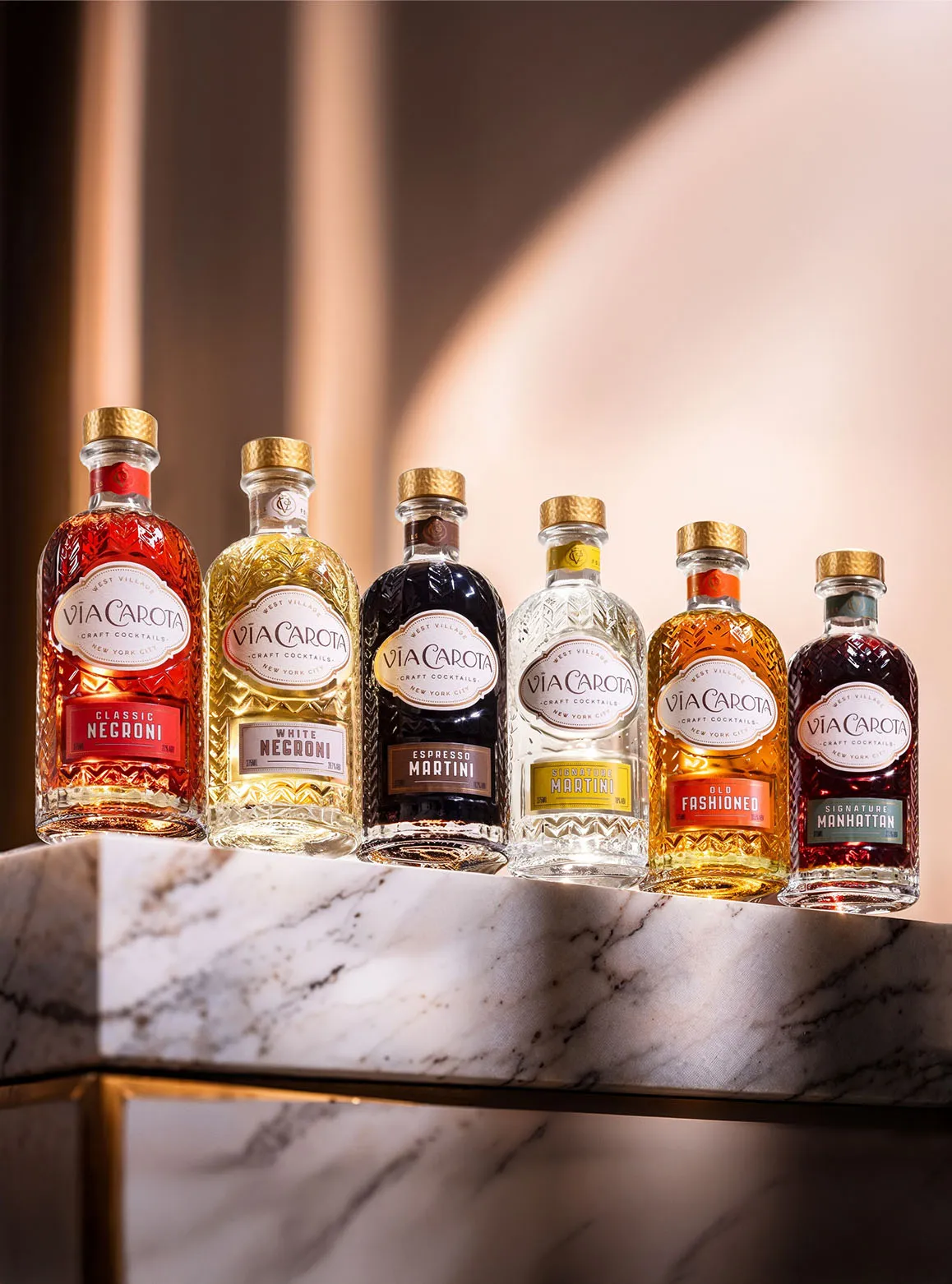
Portfolio – Via Carota Craft Cocktails case study
How to Maximize Your Product Photography ROI
Investment decisions shouldn’t be made in a vacuum. Several factors determine whether professional photography will deliver strong ROI for your specific situation.
Traffic volume matters. If your product pages receive fewer than 2,000 monthly visits, focus first on driving traffic. Professional photography amplifies existing traffic; it can’t compensate for a fundamental traffic problem. Once you’re consistently above 5,000 monthly visits, photography investment typically delivers strong returns.
Price point creates leverage. The higher your average order value, the more sensitive your ROI becomes to conversion improvements. A 1% conversion increase on $50 products generates less additional revenue than the same percentage increase on $200 products. Luxury brands see particularly strong ROI because their margins support larger initial investment while their price points amplify conversion improvements.
Product complexity drives value. Simple products photographed against white backgrounds deliver solid ROI, but not as dramatic as complex products that benefit from context and storytelling. Spirits, fashion, and beauty products tend to see stronger ROI from professional photography than commodity items where price dominates purchasing decisions.
Channel strategy multiplies impact. If you’re only using photography for e-commerce, you’re capturing partial ROI. Brands that deploy professional imagery across e-commerce, social media, wholesale materials, and PR see compounding returns. The marginal cost of reusing assets is near zero, while the value accumulation is substantial.
The Hidden Costs of Mediocre Photography
ROI calculations often focus on the positive returns from good photography while ignoring the negative impact of poor imagery.
Mediocre product photography doesn’t just fail to increase conversions—it actively decreases them relative to category norms. If competing brands in your space use professional imagery and you don’t, you’re not competing from a neutral position. You’re starting behind.
This matters particularly in luxury markets where consumers use visual quality as a heuristic for product quality. Amateur photography on a premium product doesn’t communicate “we prioritized other investments”—it signals “we cut corners” or “we’re not actually premium.”
We’ve seen brands recover from this trap, but the transition is jarring. One spirits brand saw their conversion rate drop 18% immediately after competitors launched with professional photography. They’d been converting at 3.2%; suddenly they were at 2.6% for no reason other than their imagery now looked dated by comparison. The photography investment went from optional to urgent, but they’d already lost three months of revenue to the delay.
Making the Investment Decision
Professional product photography is infrastructure, not marketing. It’s the foundation on which your digital presence operates. The question isn’t whether it provides ROI—the data consistently shows it does—but whether now is the right time for your brand to make the investment.
Here’s when the answer is clearly yes:
You’re launching new products and need market-ready imagery. First impressions are permanent in brand building. Launch with professional imagery or plan to overcome the amateur impression later.
Your conversion rates lag category benchmarks. If you’re converting below 2.5% for premium products or below 3.5% for mid-market items, imagery is likely part of the problem.
You’re pursuing wholesale or retail partnerships. Buyers evaluate products through imagery first. Amateur photography eliminates you from consideration before you get to pitch product quality.
Your brand is scaling and inconsistent imagery is creating confusion. Professional photography creates the visual system that unified brand experiences require.
You’re competing in crowded markets where visual differentiation matters. When products are functionally similar, visual presentation drives purchasing decisions.
The investment makes less sense if you’re pre-product-market-fit, still iterating rapidly on product design, or operating in ultra-low-margin commodity categories where price dominates all other factors.
For most luxury brands, premium consumer brands, and emerging companies targeting retail partnerships, professional product photography delivers ROI that justifies the investment several times over.
The question is whether you want to capture that ROI now or leave it on the table while competitors gain ground.
Calculate Your Potential ROI with Chronos Studio
We’ve helped luxury spirits, cosmetics, and fashion brands calculate and capture the ROI from professional photography. Whether you need a complete visual library or targeted campaign imagery, our AI-enhanced workflow delivers studio-grade results at 80% cost savings with 48-72 hour turnaround.
Schedule a free consultation to review your current imagery, analyze your conversion data, and calculate your specific ROI potential. We’ll show you exactly what’s possible and build a custom photography plan that fits your budget and timeline.
Visit chronos.studio/contact or email contact@chronos.studio to start the conversation.
Our trial package—5 premium product images delivered in 48 hours—gives you immediate proof of concept with minimal investment. See the quality, measure the impact, then scale from there.
The numbers don’t lie. Professional photography delivers measurable returns. The only question is whether you’ll capture them this quarter or let competitors get there first.