The short answer
Product photography in 2026 costs $25–500+ per image, $500–5,000 per studio day, or $0.10–12 per image with AI. The headline rate is almost never the real cost. Once you add retouching, studio rental, licensing and coordination time, the effective price per image often lands close to double the number on the quote.
Which figure applies to you depends on three things: the type of shoot, the volume, and how much production a single image needs. A clean packshot is mostly camera time. A styled lifestyle image is a small film production. This guide breaks down every model in the market, what actually drives the price, and where the true cost hides.
How this guide was built. The ranges below are drawn from 200+ 2026 pricing data points — published per-image and day-rate figures from studios, platforms and freelance photographers across the US, cross-referenced against Chronos Studio's own project quotes. Rates are US market figures in USD; expect major metros (New York, Los Angeles) to sit at the top of each range and secondary markets 10–20% below.
Product photography cost by shoot type
The single biggest factor in what you'll pay is what you're shooting. Here is the per-image landscape for 2026.
| Shoot type | Typical per-image (2026) | What pushes it up |
|---|---|---|
| White background / basic e-commerce | $25–75 | reflective or complex products, extra angles |
| Amazon listing (compliant) | $30–100 · full 7–9 set $250–800 | infographics, added lifestyle shots |
| Apparel — flat-lay / mannequin | $15–60 | on-model work, styling |
| Jewelry & watches (macro) | $25–150 | reflection and refraction detail work |
| Beauty & cosmetics | $50–150 | color accuracy, multiple variations |
| Spirits & beverage | $75–250 | liquid, glass and condensation expertise |
| Food (styled) | $100–400 | food stylist on set |
| Lifestyle — props / models / set | $100–500+ | locations, talent, set build |
| 360° / spin | $75–150 per product | multi-angle capture rigs |
| Furniture / large items | $100–500 | space, logistics, staging |
Volume changes these numbers sharply. Shoot 50+ SKUs in a single session and per-image rates commonly fall to the $20–40 range, because setup cost is spread across more images.
White background & e-commerce catalog
The foundation of online selling, and the most efficient thing to shoot. Simple packaged goods, accessories and small electronics fall at $25–75 per image; products with reflective surfaces, transparency or intricate detail push toward $75–150. Most studios offer package deals — a set of 10–20 images typically runs $300–1,200, with the per-image rate dropping as volume climbs.
Spirits, beverage & premium bottles
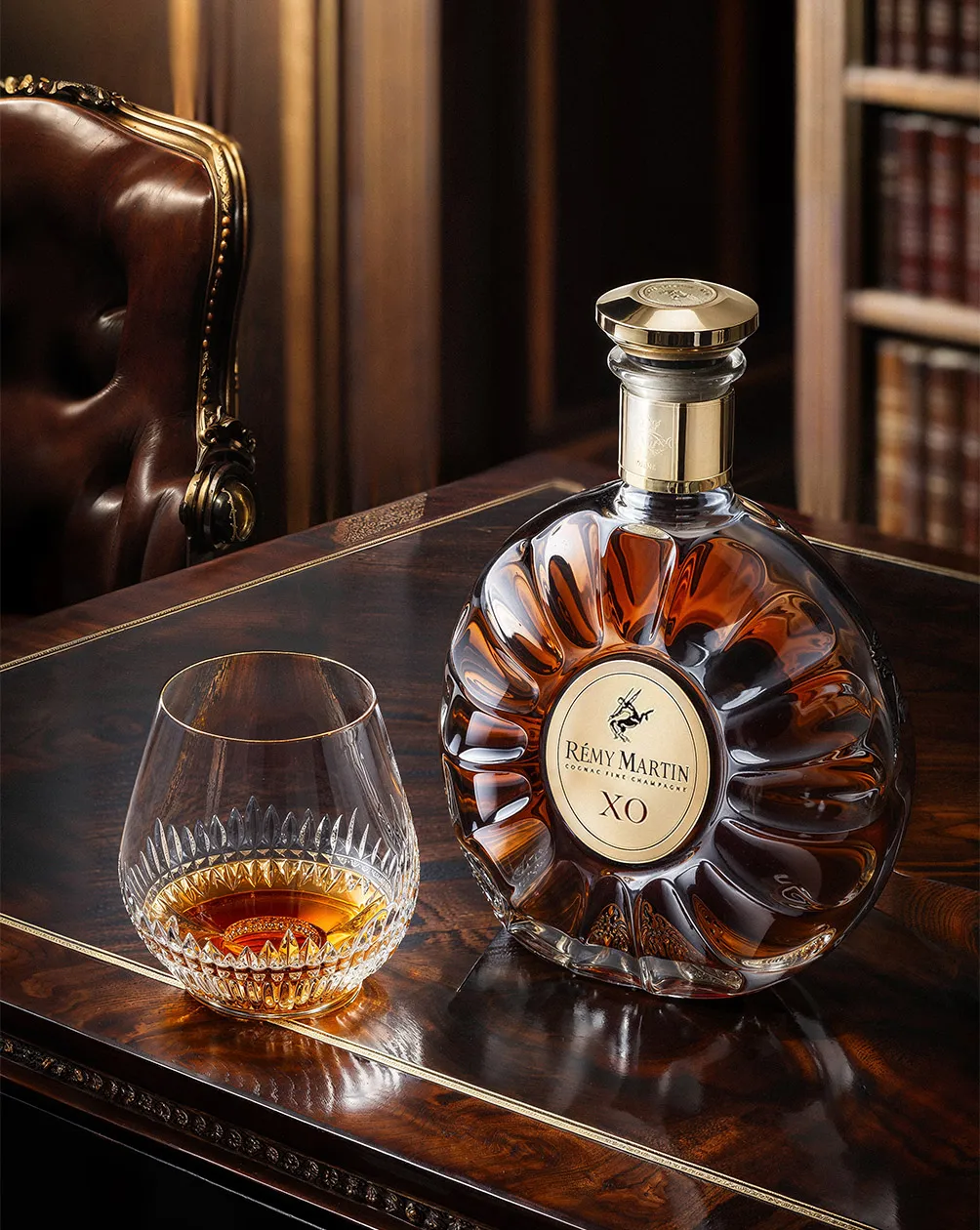
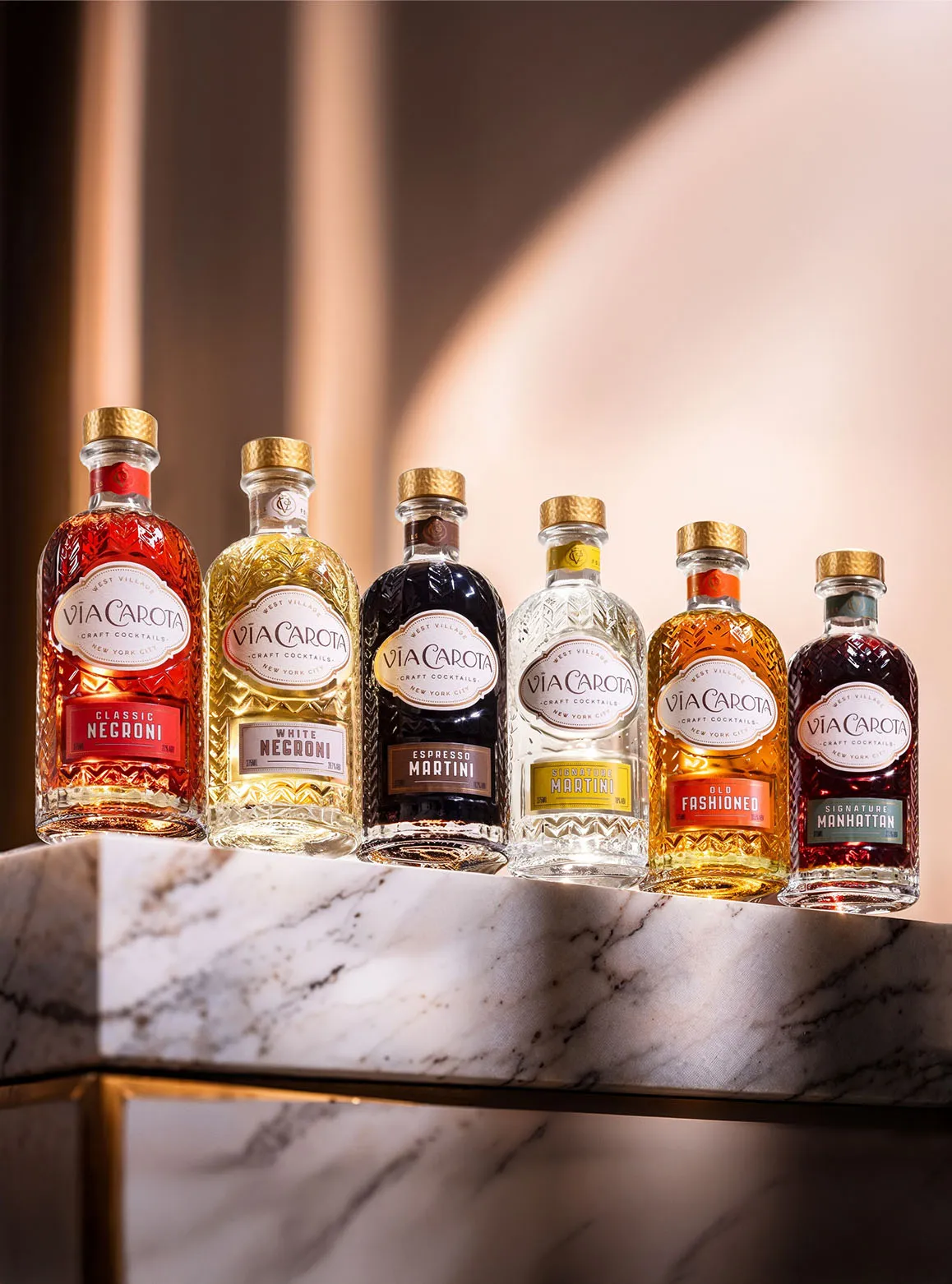
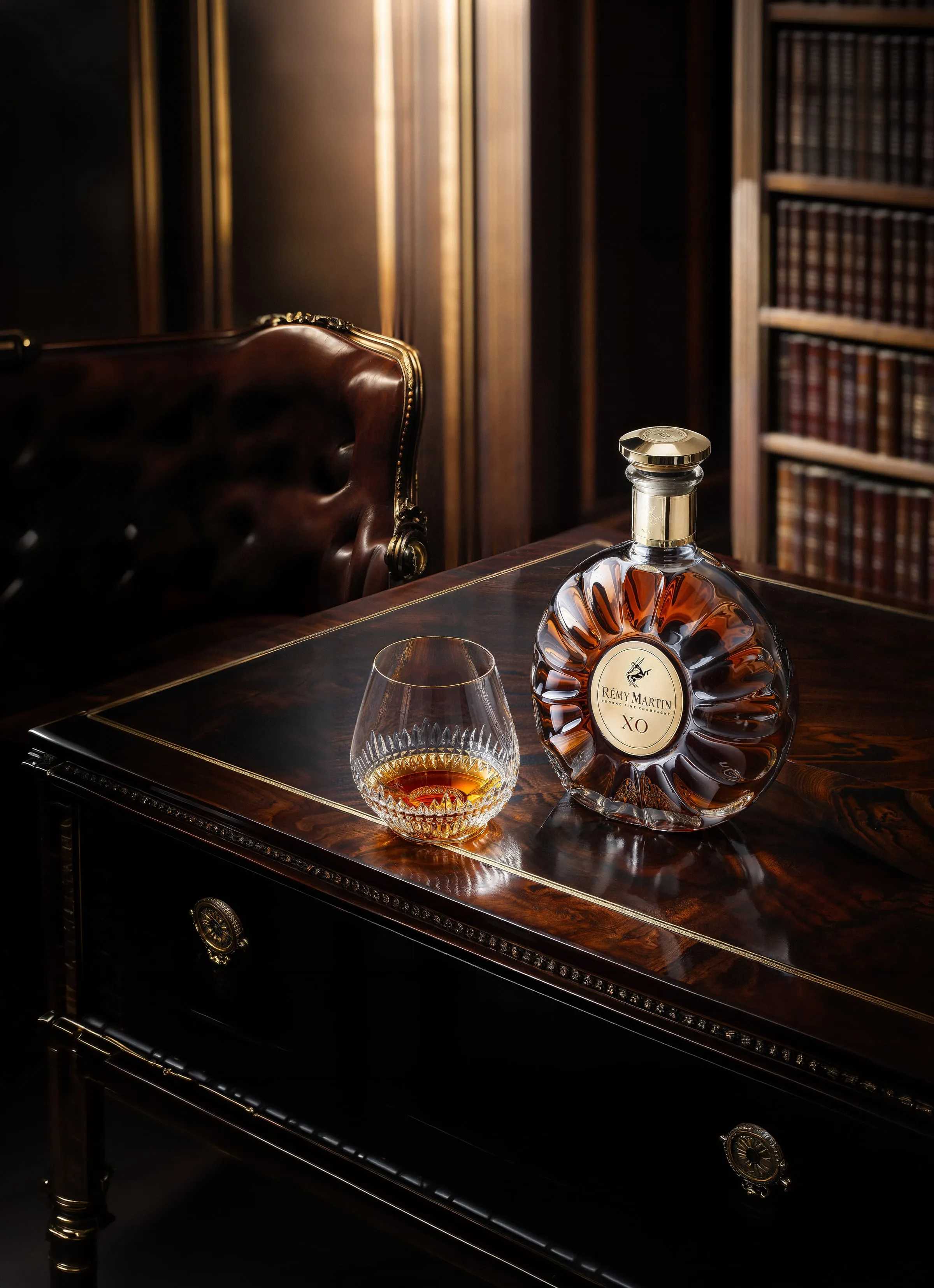
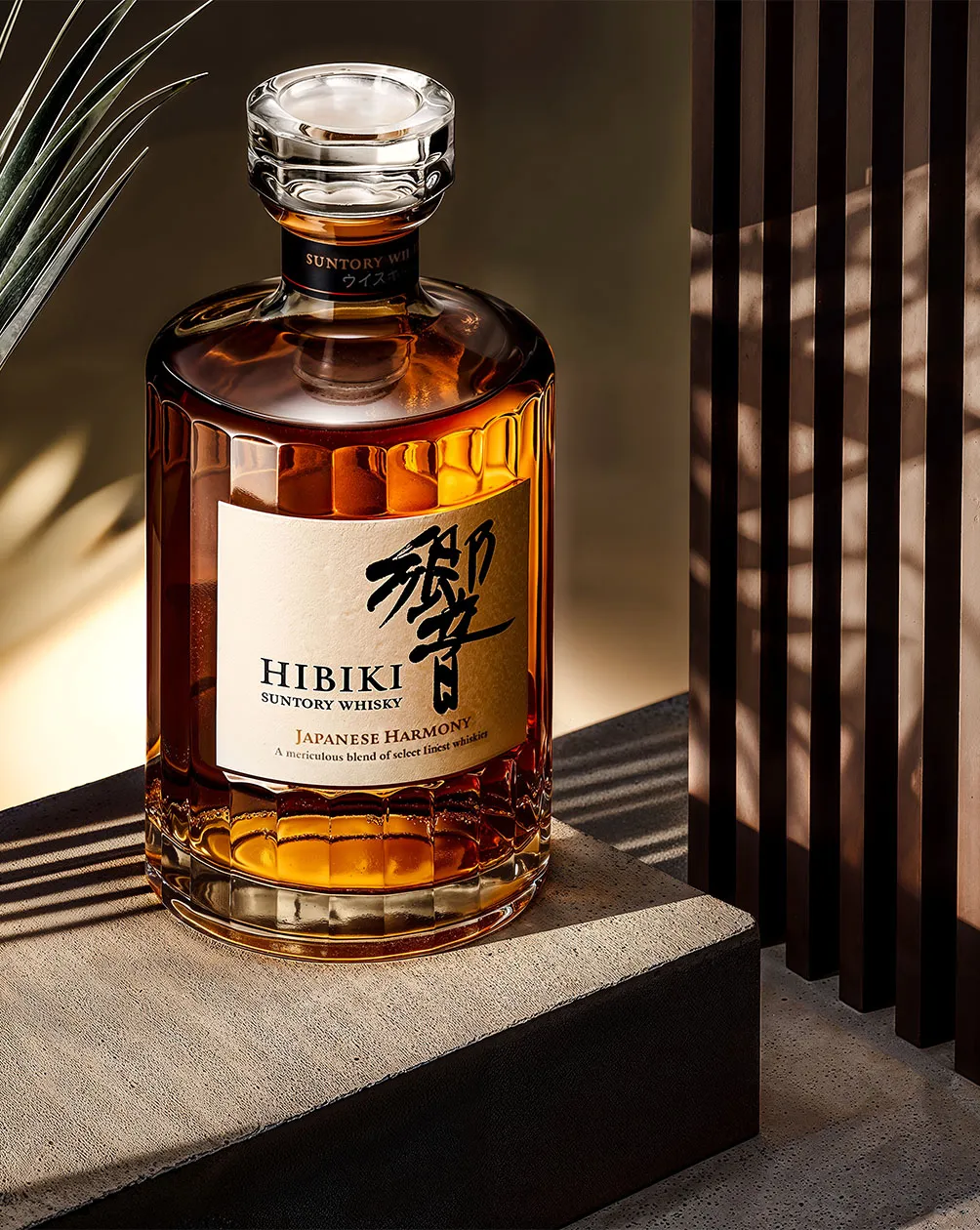
This is where technical craft separates a listing photo from a brand asset. Spirits and beverage photography commonly runs $75–250 per image because liquids, glass, condensation and reflective labels demand lighting expertise that generalist packshot workflows don't cover. A cognac decanter, a green-glass gin bottle with copper accents, an amber whisky under raking light — each is an optics problem before it's a photography problem. For high-margin luxury spirits, the cost of a flat image isn't the price of the shoot; it's the conversions and brand equity left on the table. (See our work for Rémy Martin, Hibiki and Via Carota for how this plays out at the premium end.)
Jewelry, watches & beauty
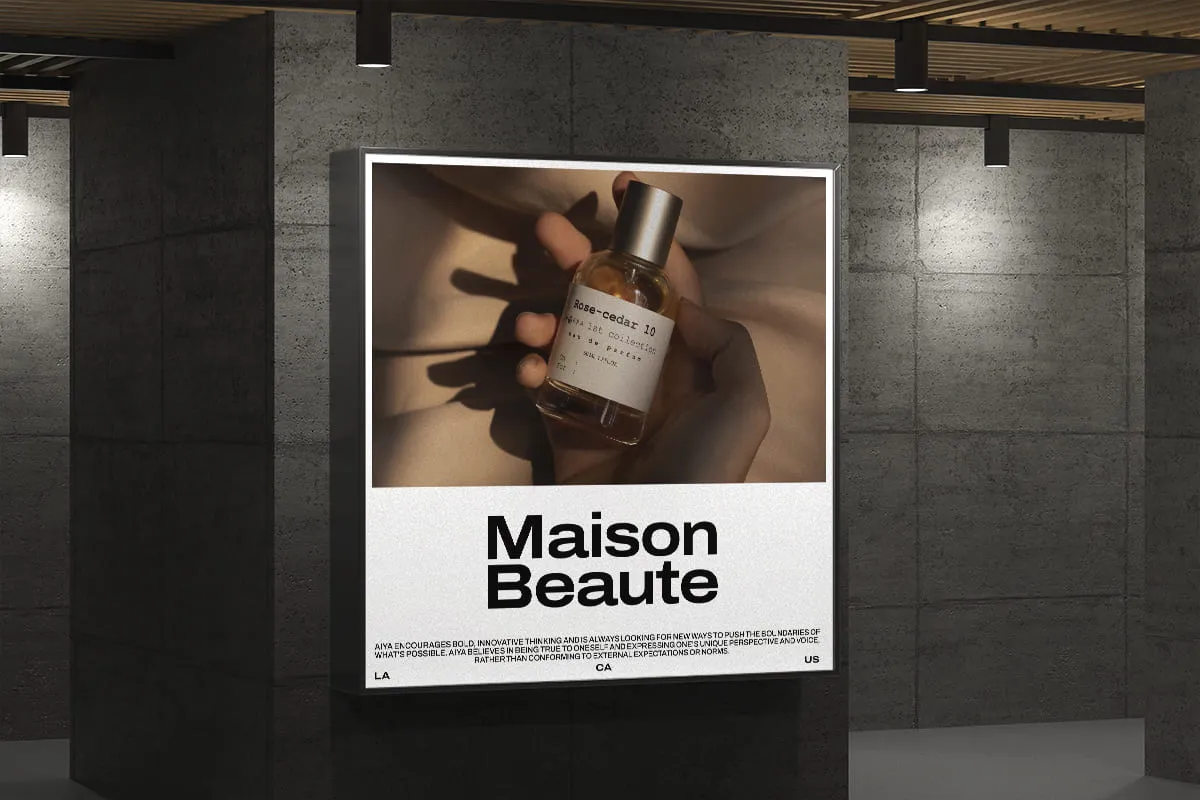
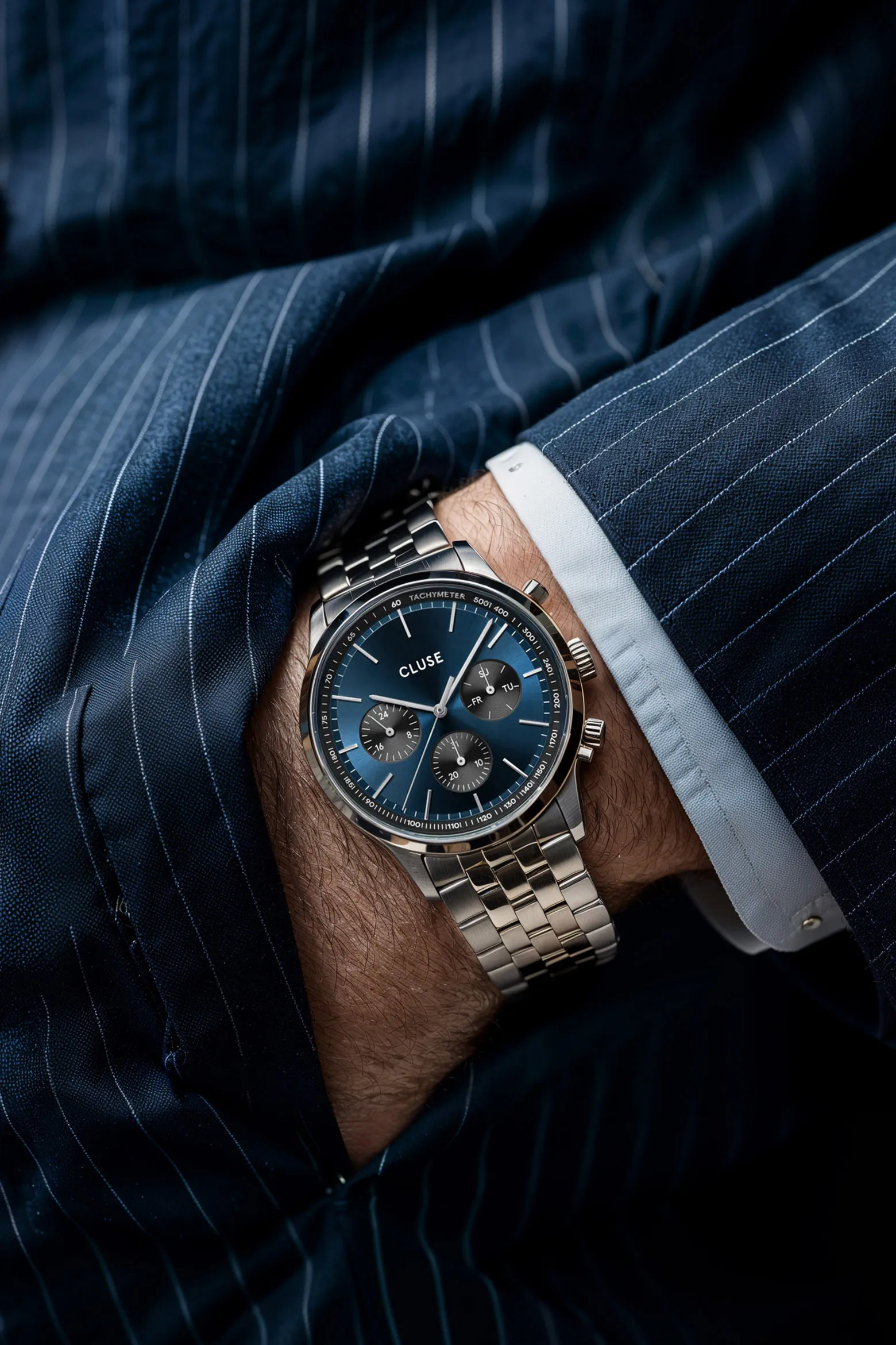
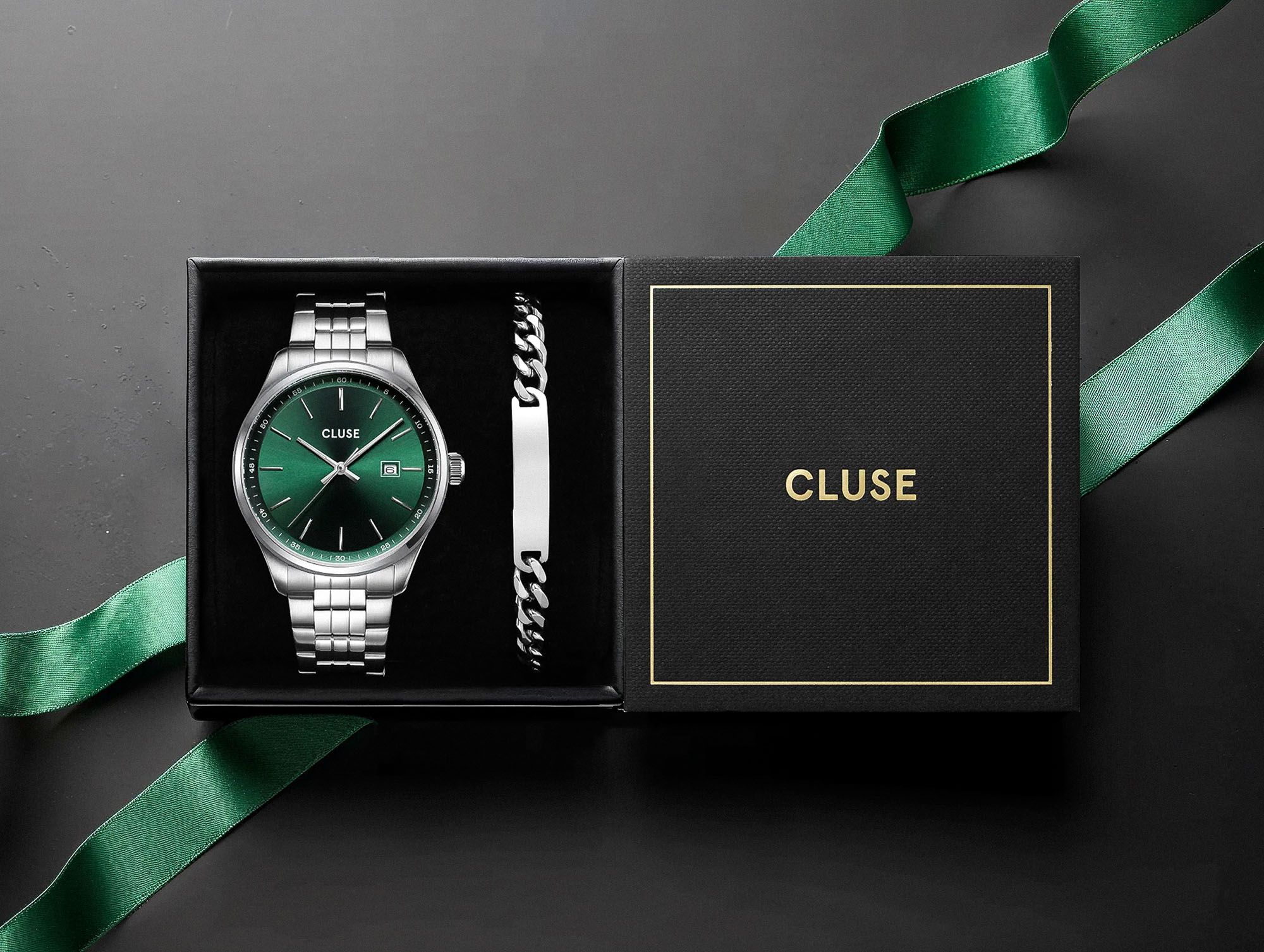
Macro categories where the detail is the product. Jewelry and watches run $25–150 per image, driven by reflection and refraction control; beauty and cosmetics land at $50–150, driven by color-accuracy requirements and the number of shade or variant versions needed.
Lifestyle & campaign imagery
The most expensive tier per image, because it's the most produced. A lifestyle shot with props, a built set, models or a location runs $100–500+ per image. This is the imagery that carries a launch or a seasonal campaign — and where the gap between "a photo" and "an aspirational image" is widest.
The four pricing models (and when each makes sense)
Studios and photographers quote in one of a few structures. Knowing which you're being offered is the difference between a predictable budget and an open-ended one.
| Model | 2026 range | Best for | Watch out for |
|---|---|---|---|
| Per-image | $25–500+ / image | Defined catalog work where you know the shot count | Add-ons (retouching, licensing) quoted separately |
| Hourly | $50–150/hr generalist · $150–500/hr specialist | Genuinely unclear scope | No ceiling — you can't predict setup time |
| Day rate | $500–5,000 / day | Complex commercial and lifestyle shoots | Models, styling, studio and post are usually extra |
| Project / retainer | Flat fee or monthly | Campaigns and ongoing content | Confirm exactly what "included" means |
A per-image quote only means something once you know what's inside it. Professional pricing generally covers preparation and styling, controlled lighting, background work, basic retouching (color, perspective, minor cleanup), a quality-control pass, multi-format delivery and one to two revision rounds. A "$10 per image" service usually includes almost none of that.
Day rates and the commercial campaign tier
When scope is complex, day rates take over from per-image pricing. Here's the 2026 ladder.
| Tier | Day rate (2026) | Notes |
|---|---|---|
| Freelance / generalist | $500–1,500 | often includes a set number of edited images |
| Established studio | $2,000–5,000 | typically yields ~30–60 finished images |
| Commercial product specialist | $1,200–3,500 | photographer fee only |
| Full campaign package | $5,000–25,000 | adds art direction, models, post-production |
| National / luxury campaign day | $15,000–100,000+ | crews of 15–30, multi-market, talent |
The number to internalize: a $2,000 shoot day producing 30 finished images works out to roughly $67 per image — before retouching even begins. That's the figure to compare against, not the day rate on the proposal. Half-day rates, for what it's worth, usually run 60–70% of a full day, not half.
The hidden costs: why your $40 image becomes $84
The per-image rate is what studios lead with. It's the number in the proposal and on the pricing page. It's also only part of what you'll spend. Here's what gets added after the quote.
| Line item | Typical 2026 add-on |
|---|---|
| Advanced retouching (compositing, background replacement) | $10–50 / image |
| Studio rental | $300–2,000 / day ($50–200/hr) |
| Styling / stylist | $500–1,500 / day |
| Rush delivery | +25–50% |
| Usage licensing (when not included) | variable — can be steep |
| Shipping product to and from a remote studio | logistics + freight |
| Your own coordination time | 10+ hours per shoot |
Stack these and the pattern is consistent: a $40/image quote quietly becomes ~$84 in true, effective cost. For active brands, rush fees and reshoots alone add 15–30% to annual photography spend.
One line item surprises almost everyone: licensing. Many photographers retain copyright and license usage separately — meaning a brand can end up without the right to use photos of its own product in a paid ad or on packaging. Always confirm the license is included and unlimited before you sign. (At Chronos, every deliverable ships with an unlimited commercial license — no separate fee, no expiry.)
What drives the price up or down
Beyond shoot type, five variables move the number:
- Complexity — reflective, transparent or multi-component products take longer to light.
- Volume — 50+ SKUs in one session unlocks $20–40/image; small batches pay the top of the range.
- License scope — broader platforms, longer duration and more markets cost more.
- Retouching depth — basic correction is usually included; compositing and background work aren't.
- Photographer experience — a specialist's rate buys reduced risk and consistency, not just shutter time.
Geography: the Brooklyn & NYC premium
Location matters more than most budgets assume. Studios in New York — Brooklyn included — commonly charge $50–75 per image for work that runs $35–50 in secondary markets. But metro pricing isn't only a cost-of-living story: high-volume NYC studios tend to hold deeper specialized expertise and more refined workflows. For premium and luxury brands, that concentration of craft is part of what they're buying. Chronos is Brooklyn-based and remote-first worldwide — the expertise of the market without the logistics of shipping product across the country.
Where AI changes the math
AI has added a third pricing tier that sits between DIY and full studio work — and it's reshaped how brands plan launch budgets.
| Model | Effective cost / image | Best for |
|---|---|---|
| DIY (lightbox, phone/camera, editing) | $2–10 | very simple, low-AOV products |
| AI bulk (self-serve tools) | $0.10–1 | high-volume catalog, A/B tests |
| AI-enhanced studio | scoped per project | premium & luxury, brand fidelity |
| Traditional studio | $35–165 effective | flagship hero, physical staging |
| National / luxury campaign | $100–500+ | brand campaigns |
The adoption signals are hard to ignore. Around 67% of top e-commerce operators now budget specifically for AI imaging tools; 73% of brands using AI product photography report faster listing creation; and brands adopting AI imagery consistently report cutting photography costs by 60–70%. Meanwhile, listings with professional-grade images convert roughly 3.2× higher than amateur photos — so the question was never "cheap or expensive," but "which images deserve which level of production."
AI-generated is not AI-enhanced
This is the distinction that matters most for premium brands, and the one bulk pricing obscures. Self-serve tools generating catalog images at $0.10 each are impressive for volume and A/B tests — but they drift. Across a 50-SKU catalog where every listing must look like it came from the same shoot, generic generators struggle to hold label geometry, logo fidelity and product proportions consistent. That's a different product from AI-enhanced studio work, where professional art direction leads and AI is the starting point, not the deliverable. (We go deeper in AI-Generated vs AI-Enhanced Photography.) For a luxury bottle, "close enough" isn't a rounding error — it's the brand.
How to budget for product photography in 2026
A simple framework, by stage:
- Under 25 SKUs — DIY or a platform studio. Keep it simple: white background, 3 angles per product.
- 25–100 SKUs — per-image pricing from a specialist for catalog work, with a seasonal lifestyle shoot budgeted separately.
- 100+ SKUs / frequent launches — a hybrid: studio or AI-enhanced production for hero images, AI for volume (variants, angles, platform crops, seasonal refreshes). Expect $10,000–50,000+ per year depending on category and launch cadence.
- Premium / luxury brands — campaign-grade art direction, whether through day-rate commercial studios or an AI-enhanced studio partner.
Two rules of thumb worth keeping: budget 1–5% of expected first-year revenue on imagery for a launch, and concentrate spend on the top 20% of SKUs that drive most of the revenue. The right budget isn't about spending more — it's about matching spend to product margin, channel, and the buyer's expectation of quality at that price point. (For the returns side of this equation, see The ROI of Professional Product Photography.)
Where Chronos Studio fits
Chronos exists in the tier the pricing tables above rarely name cleanly: campaign-grade craft, without campaign-grade cost. High-end agencies charge $100–200+ per image and $25,000+ per campaign day for creative direction, styling and sets. We deliver comparable premium output through an AI-enhanced workflow — professional art direction leading, AI generation as the starting point — at up to 80% less than a traditional $5,000+/day production.
What that looks like in practice:
- First drafts in 48–72 hours, not weeks.
- An unlimited commercial license on every deliverable — no separate fee, no expiry.
- Unlimited variations across formats and channels, without a reshoot.
- A hard-cap budget model: you set the ceiling, we scope to maximize quality within it — so the number on the quote is the number you pay.
And the pricing is public: The Pilot at $490 (waived for qualified brands), one-time projects from $2,500–12,000, and monthly retainers from $2,950 — the full grid, including add-ons, is on our pricing page.
See how it works on real luxury spirits and timepieces in our work, or start with a Pilot — five visuals in your brand's style, delivered in 48 hours.
Frequently asked questions
How much does product photography cost per image in 2026?
A white-background listing image runs $25–75; styled lifestyle images run $100–500+. The effective cost, once retouching, studio rental, rights and coordination are added, is often close to double the quoted rate.
Is AI product photography cheaper than hiring a photographer?
At catalog sizes above ~20–30 SKUs, significantly so — bulk AI runs $0.10–1 per image on subscription, versus $25–150+ effective for studio work. But AI-generated bulk and AI-enhanced studio output are different products: premium brands still need art direction and brand fidelity, which is where AI-enhanced work sits.
What's a fair freelance rate for a product image?
$5–25 per image for catalog work, or $50–120 per hour, with bulk discounts common above 100 images. Always confirm whether color correction, background removal and commercial rights are included — those line items often double the headline price.
Why is lifestyle photography so much more expensive?
Because it's a small production: props, a built set, sometimes models and locations, plus heavier styling and post. That's why lifestyle runs $100–500+ per image against $25–75 for white background.
Do I own the images and the usage rights?
Not always — many photographers license usage separately and retain copyright. Confirm this before signing. Chronos includes an unlimited commercial license with every deliverable — every channel, worldwide, no expiry.
How much should a small brand spend on product photography?
Budget 1–5% of projected first-year revenue, concentrated on the top 20% of SKUs. For a brand expecting $200,000 in first-year sales, $2,000–10,000 is reasonable — the lower end handled by AI, the upper end reserved for hero and lifestyle images.