Ask three studios what a product image costs and you'll get three numbers that don't compare to each other — and none of them will be what you actually pay. The headline rate is the number on the proposal. The effective rate is the number on the invoice once retouching, studio time, shipping, licensing, and your own coordination hours are folded in. Compare AI to a studio on headline rates and the gap looks absurd. Compare them on effective cost per finished image, on the same brief, and the picture gets useful.
That's what this article does: one brief, priced both ways, netted out to a single number you can budget against.
The short answer
For the same finished, retouched, multi-format, commercially licensed image:
- A traditional studio image lands at roughly $180–500 all-in per finished image for styled work — often close to double its headline rate once hidden costs are included.
- A self-serve AI generator lands at cents to a few dollars per image, but delivers a raw output, not a finished asset — you supply the direction, quality control, and licensing diligence.
- An AI-enhanced studio sits between them by design: studio-grade creative direction and finished, licensed images, at a fraction of a traditional studio's per-image cost. This is the tier Chronos Studio occupies, with projects scoped per campaign (from $490).
The rest of this piece explains why those numbers are what they are — and which one is right for which image.
Why "cost per image" is the only honest comparison
Day rates and project fees hide the number that actually matters: how many usable, finished images you walk away with, and what each one cost. A $2,000 shoot day that produces 30 finished images works out to about $67 per image before retouching even begins, according to industry breakdowns. A per-image quote of $40 for white-background work quietly becomes roughly $84 once retouching, studio rental, shipping, and coordination are added — a pattern documented repeatedly across 2026 pricing guides, where the final invoice commonly runs 2× to 3× the headline quote.
Effective (all-in) cost per finished image = headline rate + retouching + studio and logistics + licensing + your coordination time, divided by the number of usable finished images delivered.
Every comparison below uses this definition. It's the only one that survives contact with a real invoice.
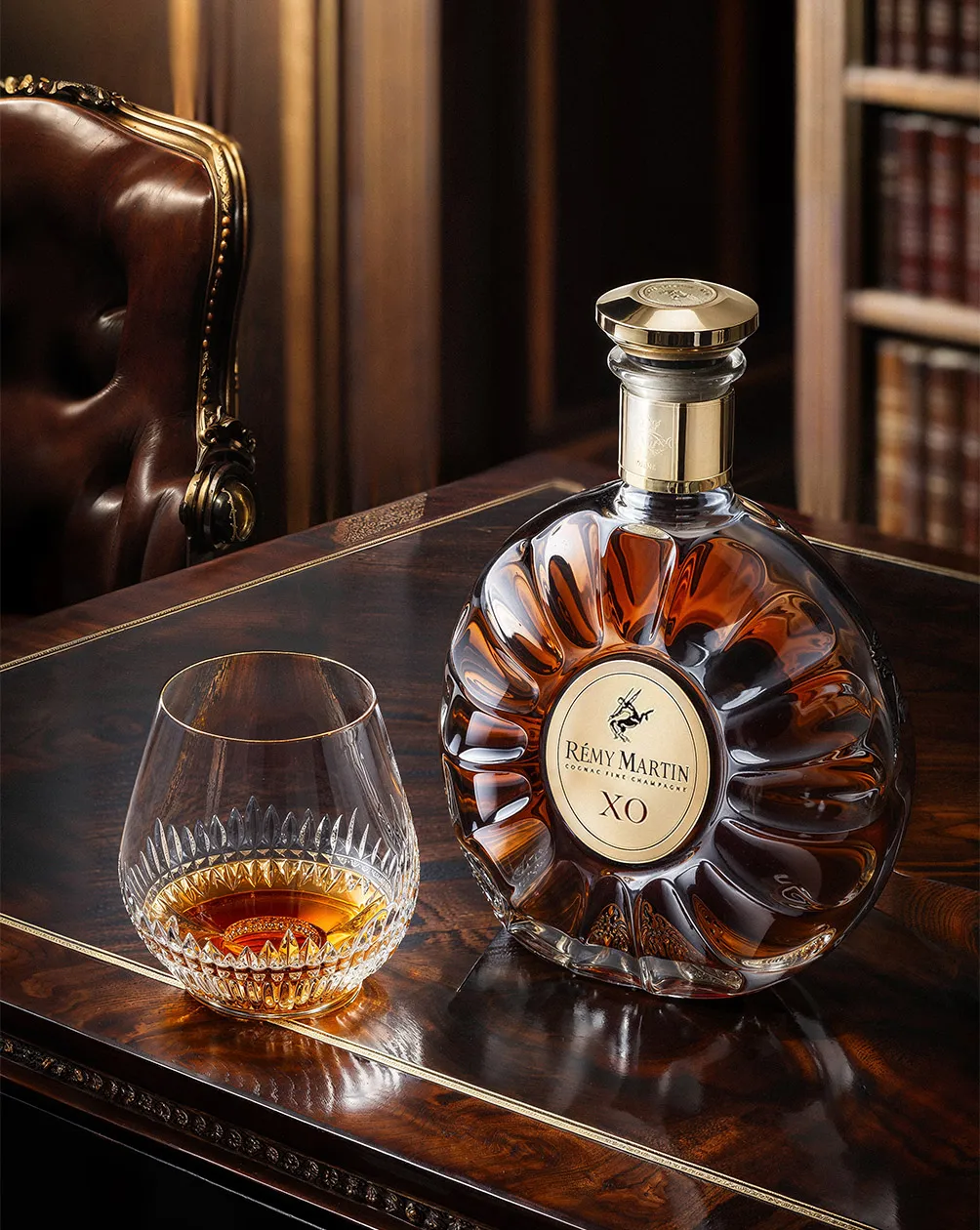
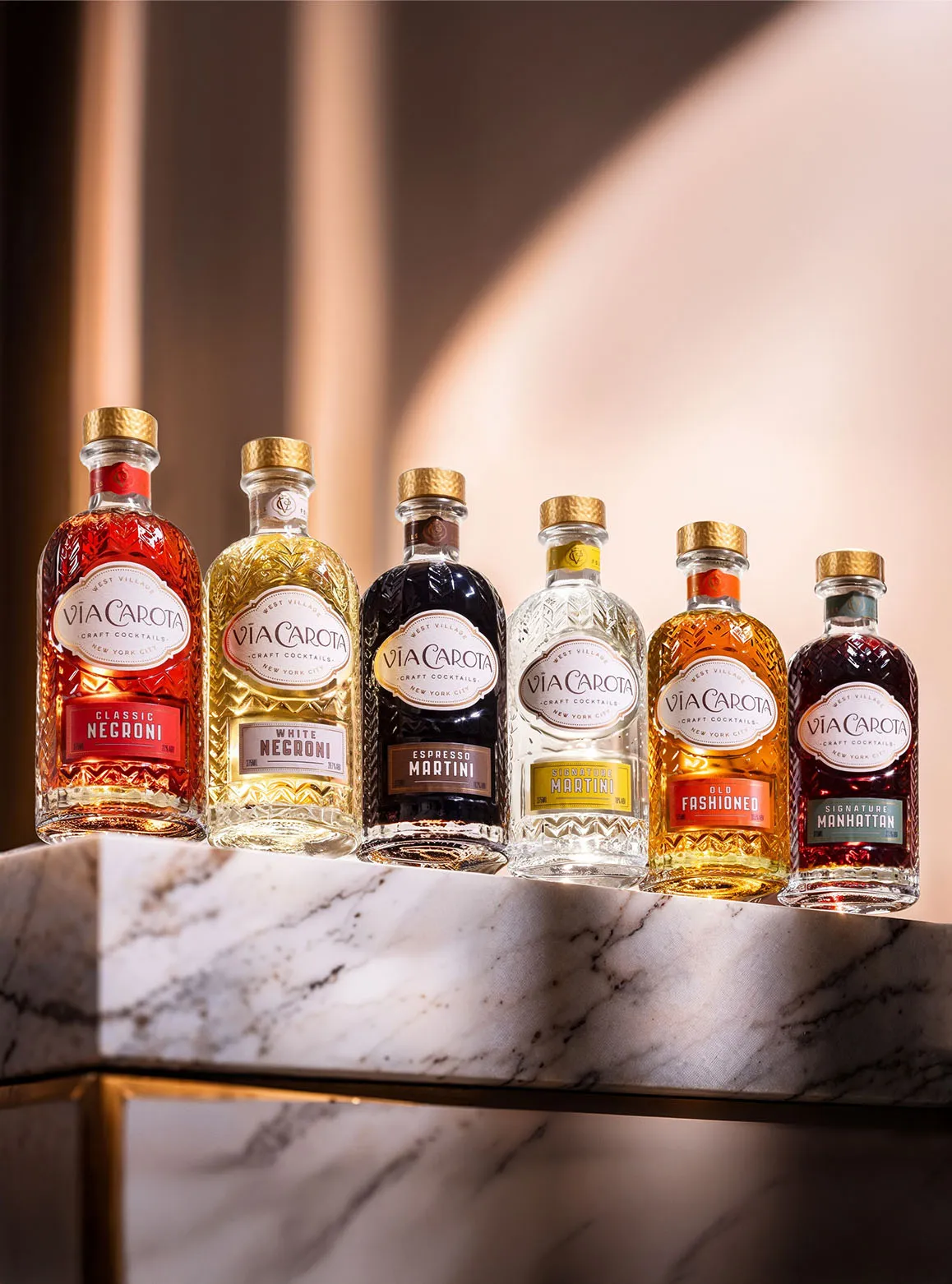
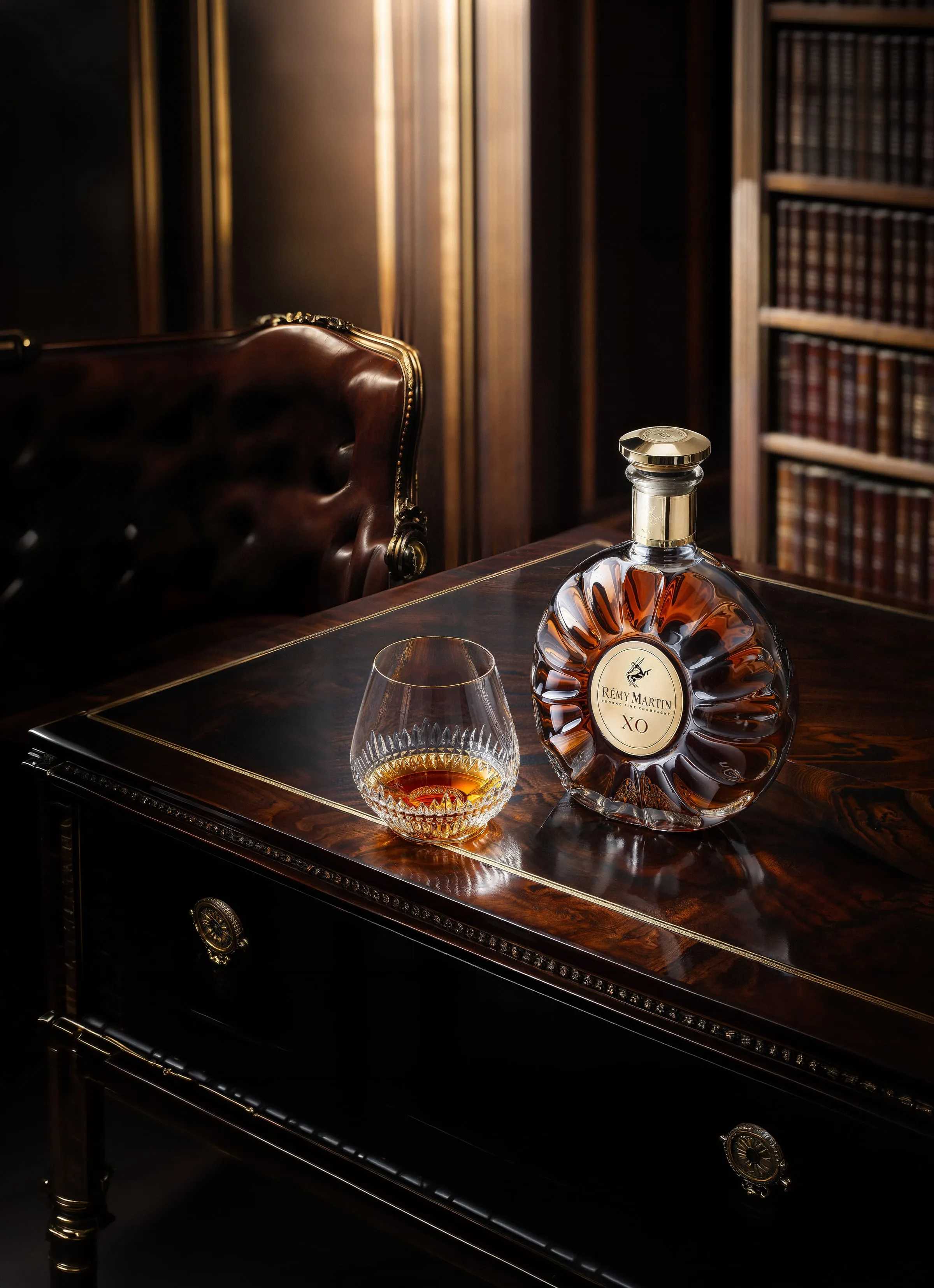
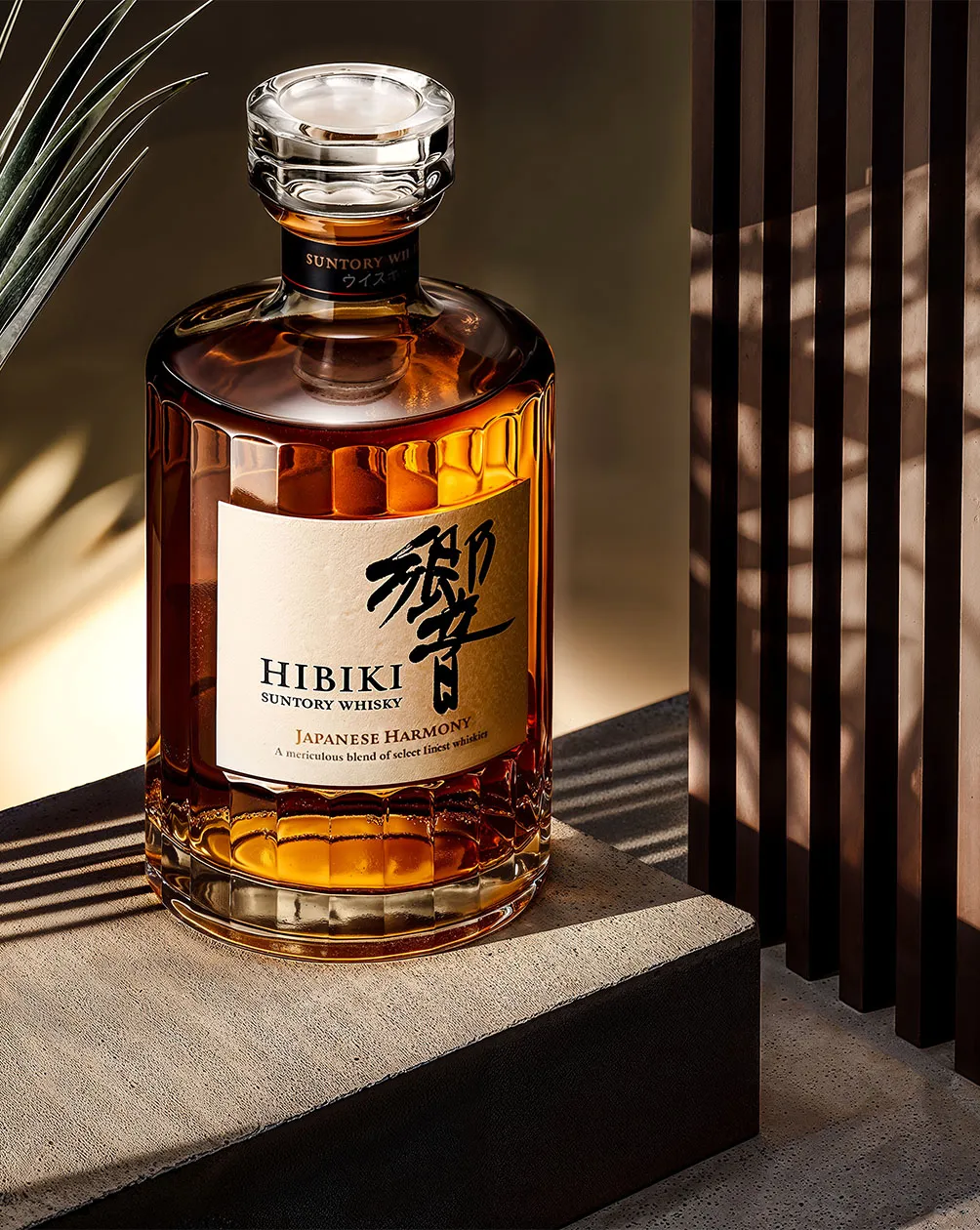
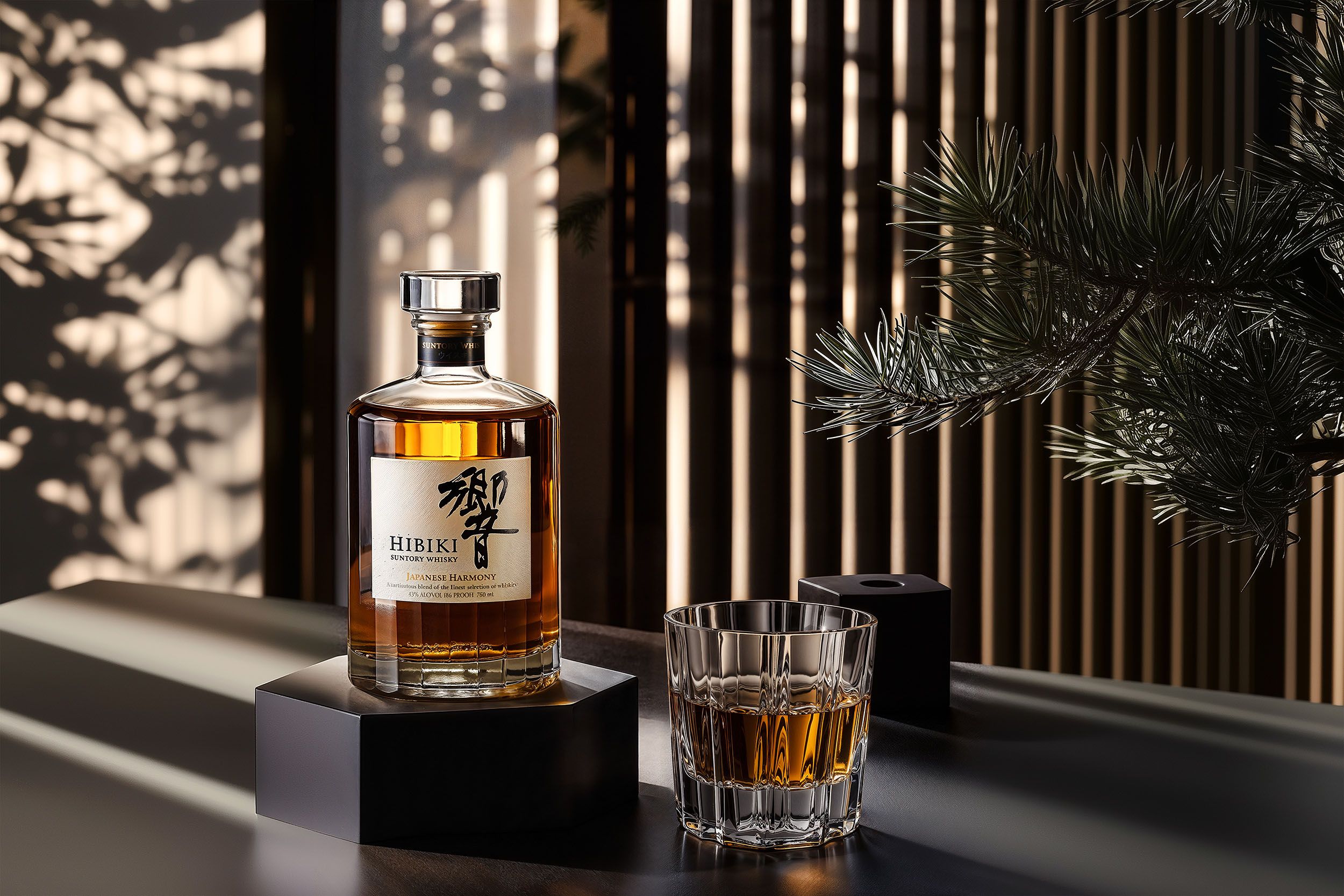
The reference brief: 20 finished spirits/beverage images — styled, retouched, delivered in web, social, and print crops, with a full commercial license. That's a realistic premium-brand ask, and it deliberately avoids the bare white-background scenario, where studios are cheapest and least differentiated.
Traditional studio: what a finished image really costs
A styled spirits or beverage image from a professional studio carries a headline rate of roughly $150–250 per image in a major market — and $100–150 in secondary markets — per 2026 category rates. That number covers the shoot and basic editing. It does not, on its own, cover:
- Retouching — typically $20–50 per image for standard work, $20–80 for composites, background replacement, or complex clipping.
- Studio rental — $300–2,000 per day, allocated across the batch.
- Styling and props — often the single largest line on lifestyle work.
- Rush fees — a compressed timeline adds roughly 10–30% to base pricing.
- Shipping — $50–200+ per round trip to send product to the studio and back.
- Your own time — briefing, reviewing selects, managing delivery. Real hours, rarely counted, and the reason a "quick" shoot becomes a multi-day project.
Stack those on the headline rate and a styled premium image realistically lands at $180–500 all-in, depending on market and complexity. Independent 2026 breakdowns put the average traditional cost around $127 per product once equipment, studio, editing, and fees are included, and a lean on-model fashion shoot at roughly $123 per finished image — figures that line up with the effective-rate math above.
There's also a geographic premium: Brooklyn and NYC studios charge roughly $50–75 per image for the same white-background work that runs $35–50 in smaller markets. You're often paying for genuine volume and specialization — but you're paying for it per image, every time.
AI studio: two very different things under one name
Here is where most "studio vs AI" comparisons go wrong. They collapse every AI option into a single cheap number. In practice there are two categories, and they are not interchangeable.
Self-serve AI generators
Subscription tools generate raw images from a product photo for $0.10–1 per image on volume plans, and $2–12 per image on mid-tier plans, per 2026 pricing data. Adoption is real — around 67% of top e-commerce operators now budget specifically for AI imaging, and AI generation costs have fallen roughly 45% between 2023 and 2026 while quality improved.
For high-volume catalog work — variants, angles, platform crops, seasonal refreshes — this is transformative economics. The caveats are equally real: label text, logos, and proportions can drift; commercial licensing varies by platform and needs checking; and someone still has to supply the art direction, run quality control, and fix the misses. The headline cost is cents. The effective cost, once you price your own labor in, is closer to $1–5 per image — still cheap, but not free, and not directed.
AI-enhanced studio
An AI-enhanced studio uses generation as a starting point, not the finish line. Creative direction leads; the technology stays quiet. You get finished, retouched, on-brand, licensed images — the same deliverable a traditional studio produces — but without the physical overhead that makes the traditional per-image number what it is.
This is the point worth internalizing: the AI generation model is the cheapest line on the invoice. The savings don't come from removing expertise — they come from removing the studio rental, the crew, the equipment, the shipping, and the coordination overhead. The craft is still there. The logistics aren't. That's why an AI-enhanced studio can hold studio-grade quality at a fraction of the studio-grade cost.
For a deeper look at that distinction, see AI-Generated vs AI-Enhanced Product Photography.
Head-to-head: the same 20-image brief, priced both ways
Same deliverable — 20 finished, retouched, multi-format, commercially licensed spirits images — priced across each path.
| Path | Headline rate | What's actually included | Common add-ons | Effective cost / finished image | 20-image project (all-in) |
|---|---|---|---|---|---|
| Traditional studio — NYC / Brooklyn | $150–250 / image | Shoot + basic edit | Retouch $20–50, styling & props, rush +10–30%, shipping, your coordination time | ~$300–500 | ~$6,000–10,000+ |
| Traditional studio — secondary market | $100–150 / image | Shoot + basic edit | Same stack, lower base rates | ~$180–320 | ~$3,600–6,400 |
| Self-serve AI generator | $0.10–1 / image (subscription) | Raw generation only | Upscaling, label/QC fixes, licensing check, your art direction | ~$1–5 (incl. your labor) | ~$20–200 + internal QC time |
| AI-enhanced studio (Chronos) | Project-scoped, from $490 | Creative direction, generation, retouching, multi-format delivery, unlimited commercial license | — (bundled) | A fraction of studio rate | Quoted per project |
Two structural facts fall out of this table.
First, the traditional number scales with your catalog and the AI number doesn't. Double the SKUs and you roughly double a traditional spend; an AI workflow's cost is nearly flat. A brand with 500 SKUs can expect $125,000–250,000 per year on traditional photography once seasonal refreshes, color variants, and platform crops are counted — a number that barely moves under an AI-led workflow.
Second, the cheapest per-image option is not the cheapest finished-image option. A self-serve generator wins on raw cost and loses on everything the raw cost excludes: direction, consistency, label fidelity, and clear licensing. For a $20 phone case, that trade is fine. For a premium spirit where the bottle is the brand, it usually isn't.
Which one for which image?
The 2026 answer isn't either/or — it's matching the method to the image.
| Use the studio (or AI-enhanced studio) when… | Use volume AI when… |
|---|---|
| It's a hero image that anchors the brand | It's a variant, angle, or platform crop |
| The product is tactile, reflective, or texture-critical | It's a seasonal refresh of existing assets |
| It's luxury editorial where fidelity is the whole point | You need 20–50 test variations for paid social |
| Print or packaging fidelity is non-negotiable | Speed and coverage matter more than maximum fidelity |
Most brands winning on imagery in 2026 run a hybrid: a narrow set of directed hero images, and AI for the long tail of volume work. The mistake is paying studio rates for volume work — or accepting undirected output for the images that carry the brand.
A note on evaluating quotes: "unlimited revisions" is a red flag, not a feature. A studio that can't scope revisions usually hasn't scoped the brief either, and the cost of that ambiguity lands on you. Look for a fixed deliverable, clear licensing, and a defined revision count.
Where Chronos Studio fits
Chronos is built for exactly the gap this comparison exposes: campaign-grade craft without campaign-grade cost. Human creative direction leads every project; AI generation handles the production the studio used to pay overhead for. The result is finished, licensed, multi-format imagery — first drafts in 48–72 hours, an unlimited commercial license on every deliverable, and pricing that starts at $490 rather than at a day rate.
If you're pricing a project and want to see the effective per-image number for your specific brief, book a consultation — we'll scope it against exactly this math.
Frequently asked questions
Is AI product photography cheaper per image than a traditional studio?
Yes, on effective cost per finished image — often dramatically so. A self-serve AI generator runs cents to a few dollars per image; an AI-enhanced studio delivers finished, directed, licensed images at a fraction of a traditional studio's all-in per-image cost. The gap widens as volume grows, because traditional cost scales with your catalog while AI cost stays nearly flat.
What does one product image really cost at a traditional studio in 2026?
The headline rate for styled work is roughly $150–250 per image in major markets, but the effective all-in cost — after retouching, studio rental, styling, rush fees, shipping, and coordination — typically lands at $180–500 per finished image, close to double the quote.
Are all "AI studios" the same price?
No. There are two distinct categories. Self-serve generators produce raw output for $0.10–12 per image but leave direction, quality control, and licensing to you. AI-enhanced studios include creative direction and finished, licensed deliverables, scoped per project. Comparing their headline numbers directly is misleading — they're different products.
Does an AI studio image include commercial usage rights?
It depends on the provider. Self-serve tools vary by platform and plan, so licensing needs to be confirmed before you rely on an image commercially. Chronos includes an unlimited commercial license on every project as standard.
When is a traditional studio still worth the higher cost per image?
For hero images that anchor the brand, tactile or reflective products where texture is the selling point, luxury editorial where fidelity is the entire point, and print or packaging where reproduction standards are non-negotiable. For the volume around those hero shots — variants, crops, seasonal refreshes, social testing — a studio's per-image rate is hard to justify.